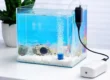
If you’ve been keeping betta fish for a while, chances are you’ve heard about Indian Almond Leaves or Catappa Leaves. I remember the first time I used them for my betta. I wasn’t totally sure if they’d really make a difference or if it was just another fish-keeping trend. Turns out, these leaves are popular for some very good reasons.
What Are Indian Almond Leaves?
Indian Almond Leaves, often called IALs, come from the Terminalia catappa tree. These trees grow in tropical areas like Southeast Asia, India, and parts of Africa. What’s interesting is that betta fish naturally live in similar environments: slow-moving waters filled with fallen leaves, roots, and natural debris.
Local fish keepers have been using these leaves for hundreds of years. Long before bottled fish medicines existed, people relied on things like dried leaves to keep their betta happy and healthy. Over time, word spread, and now Indian Almond Leaves are used by betta keepers all over the world.
One big reason betta owners love them is the combo of health benefits and looks. They slightly tint the water a tea-like brown, which gives the tank a natural blackwater feel. More importantly, many betta keepers notice calmer behavior, better fins, and fewer health issues.
The Science Behind the Magic of Indian Almond Leaves
Indian Almond Leaves aren’t magic, but they do release some powerful natural compounds into the water. Researchers, aquatic science departments, and even fish vets have studied these compounds, and their effects are well documented.
Tannins
When I add Indian Almond Leaves to my betta tank, the water slowly changes, and that’s because of what the leaves release as they break down.
These are the most talked-about compounds. Indian Almond Leaves release various types of tannins, including punicalagin and punicalin. Tannins are what give the water that brownish color, but they also help limit harmful bacteria and fungi in the tank.
Humic Acids and Fulvic Acids
These sound complicated, but they’re actually very natural. They come from decomposing plant matter and are found in many wild fish habitats. These acids help condition the water, make it slightly softer, and create an environment that bettas feel comfortable in.
Instead of just saying, tannins are good, it’s important to understand why they help. Humic and fulvic acids interact with the water chemistry, while tannins and flavonoids support the fish’s body at a biological level. That’s why the benefits aren’t just visible, they’re measurable and backed by real research.
Flavonoids
Flavonoids act as antioxidants. In simple terms, they help protect fish cells from stress and damage, which is especially helpful for bettas that are recovering from illness or injury.
All the Ways Indian Almond Leaves Help My Betta Fish
When I drop IALs in my tank, the water slowly turns a warm, tea-like brown. It’s like a mini natural habitat for my betta, the kind of cozy, tannin-rich water they’d find in the wild.
Bettas are naturally shy little fish. That darker, slightly dimmed environment makes them feel safe and calm. I often see mine exploring more confidently and resting without hiding all the time.
Adding Indian Almond Leaves to your betta tank can also lower the stress levels. Less stress means happier fish! IALs help reduce stressful behaviors such as flaring, fin clamping, or frantic swimming, thereby improving their overall well-being.
If you want to make the tank even more natural and interesting, you can mix IALs with other safe botanicals like alder cones or dried seed pods. Just add new items slowly so your betta doesn’t get spooked.
Health Boosts & Keeping Diseases Away
Indian Almond Leaves release tannins with natural antibacterial and antifungal effects. It retards the growth of harmful bacteria and fungi. This can help prevent common betta problems like fin rot, fungal infections, and open wounds from getting worse.
By improving water quality and reducing stress, my betta seems healthier and fights off minor illnesses more easily. A healthier environment means your fish can better fight off illness on its own. If my fish has a little irritation or redness, the leaves help naturally calm inflammation. That’s what it all means: IALs are crucial to boost the betta’s immune system.
Better Colors & Stronger Fins
After using Almond leaves regularly, my betta’s colors really pop, especially the darker reds and blues. The leaves help prevent fin tears or deterioration, keeping those fancy tails looking beautiful.
The leaves’ mild antiseptic properties also help protect damaged fins and minor injuries. Many betta keepers use them when their fish has torn fins or after shipping stress.
Encouraging Breeding & Protecting Fry
IALs make the water closer to the natural breeding environment, which can encourage spawning. The mild antiseptic effects of the leaves can also protect tiny fry from infections in their first few weeks.
Water Quality & Pretty Tanks
Indian Almond Leaves gently lower and stabilize pH levels while softening the water. This closely matches the blackwater conditions bettas come from in the wild, making them feel more at home.
As leaves break down, they release nutrients into the water. It gives the aquarium a natural tea-stain look. I love the warm, brown tint it gives to my 5-gallon betta tank. My halfmoon betta just looks happier in it!
Picking Right Indian Almond Leaves to Your Betta Tank
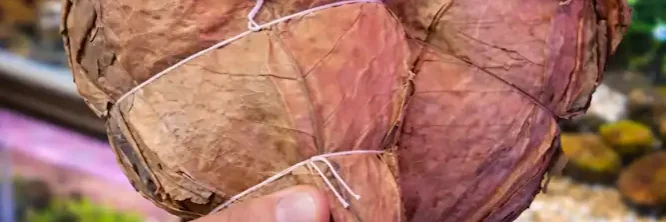
Not all Indian Almond Leaves are created equal. When I pick leaves for my betta, I look for ones that are dark brown, whole, and free from holes or spots. That usually means they’re fresh and healthy.
It’s worth buying from reputable aquarium stores instead of just grabbing leaves from outdoors. Outdoor leaves might carry pesticides, dirt, or tiny pests that could harm your fish. Moldy or weirdly discolored leaves are also a big no; those can do more harm than good.
If you’re looking for a safe and reliable option, the SunGrow Indian Almond Leaves are a great choice. They’re aquarium-grade, properly dried, and sized perfectly for betta tanks, so you get steady tannin release without worrying about pesticides or contaminants. It’s an easy, trusted way to create a natural blackwater environment and support your betta’s overall health.
Also consider the size of leaves. Bigger leaves last longer in the tank, while smaller ones release tannins faster. I usually mix sizes depending on how strong I want the tea-colored water to be. You can also cut the bigger leaves into smaller ones as I have done in the below picture.
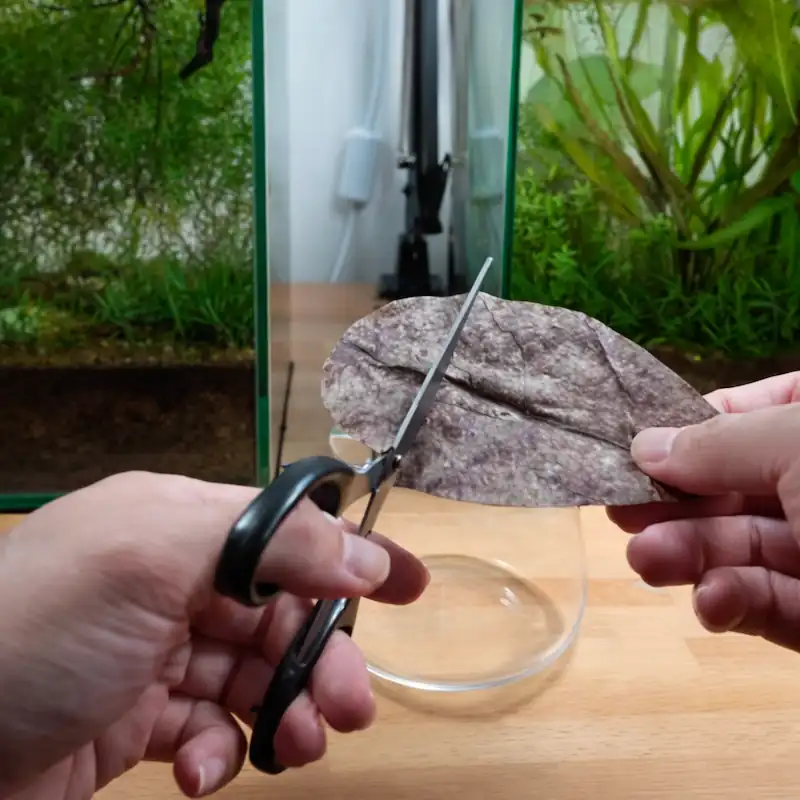
Stick to aquarium-grade IALs. It’s safer, cleaner, and you’ll avoid nasty surprises for your betta.
Storing Your Leaves
Once you have a good batch, storage is key. I keep mine completely dry to prevent mold. A simple airtight container works wonders. If stored properly, Indian Almond Leaves can stay usable for months, even a year, without losing their goodness.
Getting the Leaves Ready for the Tank
Preparation is good to get the leaves for the betta tank. It helps sterilize the leaves, control tannin release, and cause them to sink quickly rather than float on the surface.
I usually follow the following procedures for my Catappa Leaves.
Step 1: Rinse them well
I always run the leaves under fresh water to remove dust and any leftover dirt. A good rinse goes a long way.
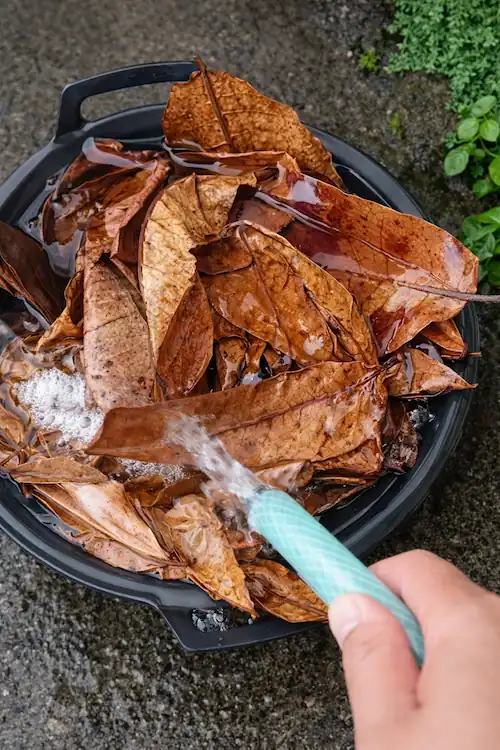
Step 2: Boil (optional, but highly recommended)
Boiling the leaves for 5–10 minutes helps kill any hidden germs, releases some tannins right away, and makes them sink faster. Trust me, I’ve had leaves float forever before I started boiling!
Step 3: Soak if you want a lighter tint
If you prefer the water to be just slightly tinted at first, you can soak the leaves in a separate container for a few hours or overnight. This slowly releases tannins, giving you more control over the colour.
How I Add Indian Almond Leaves to My Betta Tank
Before I toss any leaves in, I always check a few things:
- Tank size and other fish: Bettas are usually fine but too many leaves in a small tank can mess with water parameters.
- Current water conditions: I check pH, hardness, and TDS to make sure adding leaves won’t swing the water conditions too much.
- What I want from the leaves: Do I just want a gentle tea-colored tint, or am I aiming for a more therapeutic effect for a stressed or sick fish?
Different Ways to Introduce IALs
1. Straight into the Tank
I sometimes drop the leaves in and let them float or sink naturally. It’s simple and gives the tank that natural blackwater look.
2. Using a Mesh Bag
This is what I most prefer when I want to keep the leaves contained. It makes cleaning easier and reduces debris in the tank. A small mesh bag works perfectly to hold one or two leaves.
3. Brewing Tannin Tea
For a gentler or more controlled approach, I make a concentrated tannin extract in a separate container and add it slowly to the tank. This lets me get all the benefits without adding whole leaves.
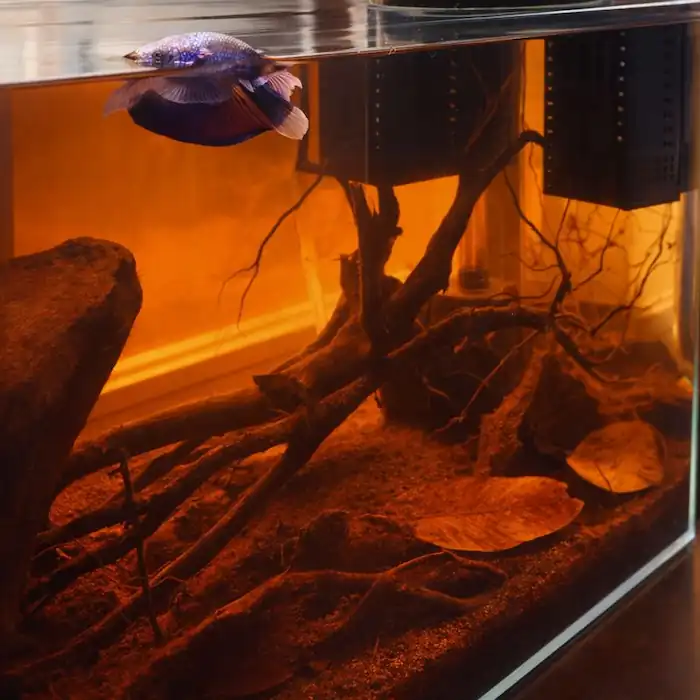
If you want tannins without floating leaves or major pH changes, liquid tannin extracts are a great option, either with or instead of whole leaves.
How Many Leaves to Use: Dosage & Timing
Here’s a simple guide I follow. Keep in mind, leaves vary in strength, so always watch your fish and water parameters closely.
| Tank Size | Desired Effect | Recommended IAL Quantity | Notes / Duration |
| < 5 gallons | Light Tint | 1 small leaf | Replace every 2–3 weeks; watch water color. |
| 5 gallons | Medium Tint | 1 medium leaf or 2 small leaves | Replace every 2–3 weeks; check pH. |
| 10 gallons | Light Tint | 1 medium leaf | Replace every 3–4 weeks. |
| 10 gallons | Medium Tint | 2 medium leaves | Replace every 3–4 weeks; great for overall health. |
| 20 gallons | Therapeutic | 3–4 medium leaves or 2 large leaves | For sick or stressed fish; replace every 2 weeks; monitor pH closely. |
| Larger tanks | Adjust based on need | 1 large leaf per 10 gallons | Adjust based on desired tint and how your fish responds. |
Keeping an Eye on Water and Your Betta
Adding Indian Almond Leaves is awesome, but it’s not magic. You still need to watch your water and your fish closely. Here’s how I do it.
Key Water Parameters to Track
- Ph: This is very important. IALs gently lower and stabilize pH, but it can drop too much if you’re not careful. I always test mine regularly. A good pH range for bettas is around 6.5–7.5.
- I like using a reliable liquid or digital pH kit. It makes testing easy and accurate.
- TDS (Total Dissolved Solids): This tells me how hard or soft the water is. IALs can change it slightly, so I keep an eye on it with a TDS meter.
- Ammonia, Nitrite, Nitrate: Even with leaves, your tank still needs filtration and regular checks. I test these the same way I would normally. IALs help, but they don’t replace basic tank care.
Even with leaves in the tank, you still need to do regular water changes. IALs are not a replacement for good tank care; they’re a supplement.
Watching Your Betta’s Behavior
Your fish will give you the best clues about how things are going. Brighter colors, more activity, exploring the tank, less hiding, and calmer behavior indicate positive signs. While lethargy, fast gill movement, or swimming erratically. These could indicate water problems or that the leaves aren’t suited to your tank.
When to Change the Leaves
If the “tea stain” effect starts to disappear, it’s a sign the leaves are losing potency. Once leaves get mushy or break apart a lot, it’s time to replace them.
IALs usually last 2–4 weeks before they need to be swapped. Don’t wait too long, or they might pollute the water instead of helping.