
Best Betta Fish Food
The best betta fish food should provide the protein and nutrients your fish needs while being easy to eat and digest. For most bettas, a quality pellet made specifically for betta fish is a good staple food, while frozen or live foods such as daphnia, brine shrimp and mysis shrimp can add variety.
In this guide, I compare the best betta fish foods, including my top pellet choices, budget-friendly options, frozen and live foods, and occasional treats. I’ll also explain what to look for in the ingredients, how much food to give your betta, and how often to feed it so you can build a simple and healthy feeding routine.
Best Betta Fish Food at a Glance
If you want to choose a good betta fish food without sorting through dozens of options, these are my top picks. I have focused on foods made specifically for bettas, with an emphasis on protein-rich ingredients, appropriate pellet size, feeding convenience and overall suitability as part of a balanced diet.
| Food | Best For | Type | Protein |
|---|---|---|---|
| NorthFin Betta Bits | Best Overall | 1 mm Pellet | 45% |
| New Life Spectrum Betta | Premium Choice | Pellet | 37% |
| Fluval Bug Bites | Best Budget | Granule | 40% |
| TetraBetta Plus | Easy Feeding | Floating Pellet | — |
| Ultra Fresh Shrimp Patties | Picky Bettas | 1.5 mm Pellet | 42% |
| Hikari Betta Bio-Gold | Simple Feeding | 1.1–1.4 mm Pellet | 38% |
| Omega One Betta Buffet | Seafood-Based | Floating Pellet | 42% |
The 7 Best Betta Fish Foods
The best betta fish food should provide a solid source of animal-based protein, be small enough for your fish to eat comfortably, and offer balanced nutrition for regular feeding. After comparing ingredients, guaranteed analysis, pellet size, feeding format, and overall value, these seven foods stand out for different needs.
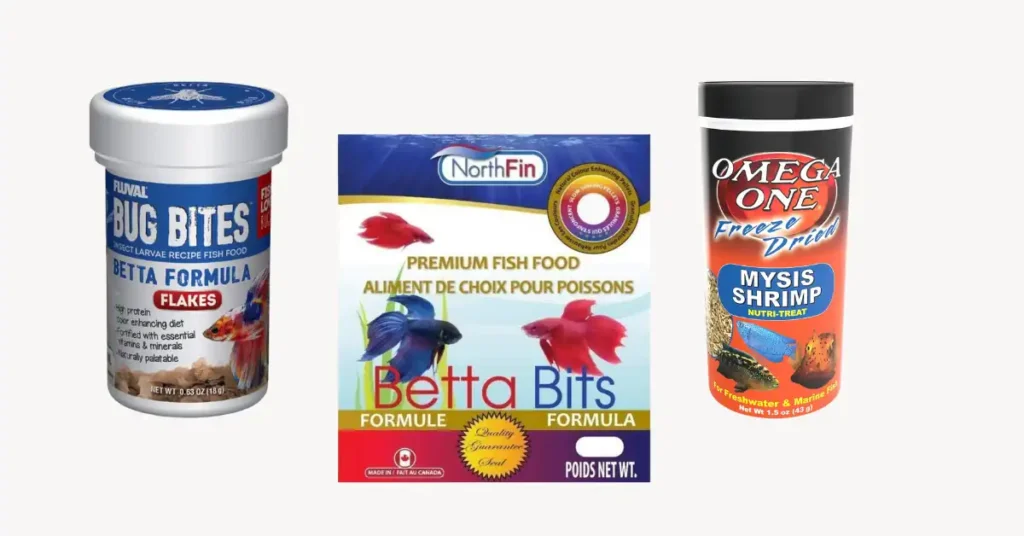
1. NorthFin Betta Bits – Best Overall
Check price: NorthFin Betta Bits on Amazon
Verdict: A well-rounded daily pellet with a strong marine-protein base and a very practical 1 mm size.
Why I Recommend It
NorthFin Betta Bits earns the top spot because the ingredient list starts with whole Antarctic krill meal, herring meal, and whole sardine meal rather than relying primarily on plant ingredients. The 1 mm floating pellets are also a good match for the small mouths of bettas. NorthFin lists 45% minimum crude protein, 5% minimum crude fat, and 9% maximum moisture.
This is the food I would be most comfortable using as the main staple for a healthy adult betta. It also contains spirulina, garlic, astaxanthin, vitamins, and minerals, giving the formula more than just a high protein number.
Main ingredients: Whole Antarctic krill meal, whole herring meal, whole sardine meal, wheat flour, kelp, spirulina, garlic, and astaxanthin.
Guaranteed analysis:
- Crude protein: 45% min
- Crude fat: 5% min
- Crude fiber: 5% max
- Moisture: 9% max
- Ash: 9% max
Pellet size: 1 mm floating pellets.
Pros
- Marine proteins are first on the ingredient list
- Small 1 mm pellets
- High protein content
- Contains krill, herring, and sardine
- Includes astaxanthin and spirulina
- Suitable as a daily food
Cons
- The small 20 g package can be expensive per ounce
- Some bettas may need time to accept a new pellet
Best for: Bettas that need a high-quality everyday pellet.
2. New Life Spectrum Betta – Best Premium Option
Check price: New Life Spectrum Betta on Amazon
Verdict: A strong premium pellet with whole marine ingredients and a semi-floating design.
Why I Recommend It
New Life Spectrum Betta takes a slightly different approach from NorthFin. Its formula combines krill, squid, whole fish, seaweed, algae, garlic, and fish oil, giving it a broad ingredient profile rather than focusing on one protein source. The regular pellet measures about 1 to 1.5 mm and is semi-floating, which gives bettas time to catch it near the surface.
The current manufacturer information lists 37% minimum crude protein and 7% minimum crude fat. It is a good option for owners who want a premium pellet that also provides ingredients associated with natural coloration.
Main ingredients: Krill, squid, whole fish, whole wheat flour, seaweed, kelp, green algae, garlic, astaxanthin, spirulina, and fish oil.
Guaranteed analysis:
- Crude protein: 37% min
- Crude fat: 7% min
- Crude fiber: 7% max
- Moisture: 10% max
Pellet size: Regular pellets are approximately 1 to 1.5 mm; a smaller 0.5 to 0.75 mm version is also available.
Pros
- Multiple marine protein sources
- Semi-floating pellet
- Available in regular and small sizes
- Contains krill, squid, fish, and seaweed
- Includes astaxanthin and spirulina
- Made in the USA
Cons
- Lower listed protein percentage than NorthFin
- Wheat flour appears fairly high in the ingredient list
- Premium pricing
Best for: Betta owners looking for a premium everyday pellet with varied marine ingredients.
3. Fluval Bug Bites Tropical Fish Food – Best Budget Option
Check price: Fluval Bug Bites on Amazon
Verdict: An affordable, protein-rich granule built around black soldier fly larvae and salmon.
Why I Recommend It
Fluval Bug Bites is a particularly good value if you want a food with an animal protein source at the top of the ingredient list without spending as much as some specialty betta formulas. Black soldier fly larvae is the first ingredient, followed by salmon and fish protein concentrate. Fluval lists 40% minimum crude protein and 12.5% minimum crude fat.
The small granules are slow-sinking rather than strictly floating, so they can work well if your betta does not always feed directly from the surface. The manufacturer lists the standard tropical granules at approximately 1.4 to 2.0 mm.
Main ingredients: Black soldier fly larvae, salmon, fish protein concentrate, green peas, potato, wheat, and added vitamins and minerals.
Guaranteed analysis:
- Crude protein: 40% min
- Crude fat: 12.5% min
- Crude fiber: 5% max
- Moisture: 10% max
- Ash: 9% max
Pellet/granule size: Approximately 1.4 to 2.0 mm for the standard small granules. Fluval also offers micro granules from approximately 0.25 to 1.4 mm.
Pros
- Black soldier fly larvae is the first ingredient
- 40% minimum protein
- Good value
- Contains salmon
- Fortified with vitamins and minerals
- No artificial fillers, colors, or preservatives according to Fluval
Cons
- Standard granules may be larger than ideal for some small bettas
- It is designed for tropical fish rather than specifically for bettas
Best for: Budget-conscious owners who want a protein-focused food with insect-based ingredients.
4. TetraBetta Plus Floating Mini Pellets – Best Easy-to-Feed Option
Check price: TetraBetta Plus on Amazon
Verdict: A convenient, inexpensive floating pellet designed specifically for bettas.
Why I Recommend It
TetraBetta Plus is a practical choice for beginners because the small floating pellets stay at the surface, where bettas naturally tend to feed. Tetra describes the formula as a daily diet with protein, omega-3 fatty acids, vitamins, and natural color enhancers.
Its main advantage is convenience rather than an unusually specialized ingredient profile. If you want a readily available betta-specific food that is inexpensive and simple to portion, this is one of the easier options to use.
Main ingredients: See the current product label for the complete ingredient declaration.
Guaranteed analysis: Refer to the current package label for the latest guaranteed analysis.
Pellet size: Mini floating pellets designed for bettas.
Pros
- Designed specifically for bettas
- Floating format makes feeding easy
- Small pellet size
- Affordable
- Contains omega-3 fatty acids
- Includes natural color enhancers
Cons
- Ingredient information provided on the current listing is less detailed
- Not as marine-protein-focused as some premium choices
- Formula may not appeal to owners looking for a very meat-heavy ingredient list
Best for: Beginners who want an inexpensive, easy-to-feed betta pellet.
5. Ultra Fresh Betta Pro Shrimp Patties – Best for Picky Bettas
Check price: Ultra Fresh Betta Pro Shrimp Patties on Amazon
Verdict: A highly palatable shrimp-based option with a strong mix of seafood ingredients.
Why I Recommend It
Ultra Fresh Betta Pro Shrimp Patties is worth considering when your betta is selective about food. The formula uses sword shrimp, Akiami shrimp, squid, and sardine, with the manufacturer describing an 8:2 meat-to-vegetable ratio. It also contains spinach, spirulina, seaweed, garlic, and added vitamins.
The 1.5 mm floating pellets are made for adult bettas and provide 42% minimum crude protein. That combination of seafood ingredients and a small floating format makes it a useful alternative to a standard pellet.
Main ingredients: Sword shrimp, squid, Akiami shrimp paste, spinach, garlic, spirulina, seaweed, corn, soy, and yeast.
Guaranteed analysis:
- Crude protein: 42% min
- Crude fat: 4% min
- Crude fiber: 4% max
- Moisture: 3% min
- Phosphorus: 1% min
- Calcium: 3% max
Pellet size: Approximately 1.5 mm floating pellets.
Pros
- Several seafood ingredients
- High protein content
- Small floating pellets
- Includes spirulina and seaweed
- Good option for selective eaters
- Includes vitamins and minerals
Cons
- More expensive than basic betta foods
- Contains corn and soy
- Not every betta will prefer the same food
Best for: Bettas that are reluctant to eat conventional pellets or need more variety in their diet.
6. Hikari Betta Bio-Gold – Best for Simple Portioning
Check price: Hikari Betta Bio-Gold on Amazon
Verdict: A long-established betta pellet with a small floating format and clear feeding guidance.
Why I Recommend It
Hikari Betta Bio-Gold is useful when easy portion control matters. The manufacturer provides feeding instructions based on betta size and recommends offering individual pellets so you can see exactly how much your fish eats. The pellets are approximately 1.1 to 1.4 mm and float on the surface.
The formula contains fish meal, krill meal, spirulina, garlic, astaxanthin, and added vitamins and minerals. Hikari lists 38% minimum crude protein and 4% minimum crude fat.
Main ingredients: Fish meal, wheat flour, soybean meal, rice bran, potato starch, krill meal, wheat germ meal, fish oil, spirulina, garlic, seaweed meal, and astaxanthin.
Guaranteed analysis:
- Crude protein: 38% min
- Crude fat: 4% min
- Crude fiber: 3% max
- Moisture: 10% max
- Ash: 12% max
Pellet size: Approximately 1.1 to 1.4 mm floating pellets.
Pros
- Betta-specific formula
- Small floating pellets
- Easy to portion
- Contains fish meal and krill meal
- Includes spirulina and astaxanthin
- Widely available
Cons
- Contains several plant-based ingredients
- Lower protein percentage than some foods on this list
- Higher ash content than some alternatives
Best for: Owners who want a familiar betta food with straightforward portion control.
7. Omega One Betta Buffet Pellets – Best Salmon-Based Option
Check price: Omega One Betta Buffet Pellets on Amazon
Verdict: A floating pellet built around salmon, herring, and shrimp, with a strong protein profile.
Why I Recommend It
Omega One Betta Buffet stands out for putting salmon first, followed by wheat flour, whole herring, wheat germ, and whole shrimp. It provides 42% minimum crude protein and 8% minimum crude fat. The formula also contains herring oil, kelp, astaxanthin, and other ingredients used to support color and nutrition.
The floating format makes it easy to watch your betta eat and remove leftovers before they remain in the aquarium.
Main ingredients: Salmon, wheat flour, whole herring, wheat germ, whole shrimp, pea protein, wheat gluten, kelp, and herring oil.
Guaranteed analysis:
- Crude protein: 42% min
- Crude fat: 8% min
- Crude fiber: 2% max
- Moisture: 8.5% max
- Ash: 8% max
Pellet size: Floating betta pellets. Check the current package for the exact size of the selected variant.
Pros
- Salmon is the first ingredient
- Contains whole herring and shrimp
- 42% minimum protein
- Floating pellets
- Includes herring oil
- Low ash according to the manufacturer
Cons
- Wheat ingredients appear prominently in the formula
- Not as small as some dedicated micro-pellet options
- Less specialized for bettas than some products above
Best for: Bettas that do well with salmon-based foods and owners looking for another quality floating pellet to rotate into their feeding routine.
My Top Pick
NorthFin Betta Bits is the best overall choice from this list. Its 1 mm floating pellets are appropriately sized for bettas, while krill, herring, and sardine meal provide a strong marine-protein foundation. The 45% minimum crude protein and straightforward ingredient list make it a particularly solid everyday staple.
That said, there is no need to rely on a single food forever. A good betta diet can include a quality staple pellet alongside occasional frozen or live foods such as bloodworms, brine shrimp, or daphnia. The key is keeping portions small and avoiding overfeeding.
How We Chose the Best Betta Fish Food
A good betta fish food should do more than provide a high protein percentage. The overall ingredient profile, pellet size, nutritional balance, digestibility, and how well a betta accepts the food all matter when choosing a staple diet.
For my own betta, a quality pellet forms the foundation of the diet, with foods such as daphnia, brine shrimp, and mysis shrimp added for variety. This combination has worked well because it provides a reliable everyday food while introducing different textures and nutrient sources. Bettas can have different preferences, so a food that works well for one fish may not be accepted by another.
The foods featured in this guide were compared using several important factors:
- Ingredient quality: Foods with quality animal-based ingredients, such as fish, shrimp, or insects, are preferred over formulas that rely heavily on inexpensive fillers.
- Protein sources: Protein is an important part of a betta’s diet, but the source of that protein matters as much as the percentage listed on the label.
- Pellet size: Small pellets are easier for bettas to eat and make portion control simpler. The size should also match the mouth of the fish.
- Digestibility: Easily digestible ingredients are preferable for regular feeding and can help reduce problems associated with unsuitable foods or excessive feeding.
- Nutritional balance: A complete food should provide a balanced combination of protein, fats, vitamins, minerals, and other essential nutrients rather than focusing on protein alone.
- Acceptance: A nutritionally strong food is not useful if a betta refuses to eat it. Personal feeding experience was considered where applicable, while recognizing that individual fish can have different preferences.
- Brand reputation: Established manufacturers with clear ingredient information and consistent product formulations received greater consideration.
- Value for money: Price was considered alongside quality, serving size, and practicality. The most expensive food is not automatically the best choice.
- Staple or occasional use: Foods were also judged according to their intended role. Quality pellets can work as a daily staple, while foods such as bloodworms and some frozen or live foods are better used as part of a varied diet.
Product specifications in this guide come from manufacturer information and product labels. Personal observations are clearly presented as firsthand experience rather than general claims. This approach helps separate what has been personally observed from what is supported by the food’s formulation and labeling.
Best Types of Food for Betta Fish
There is more than one good way to feed a betta. A quality pellet can handle most daily meals, while frozen, live, or freeze-dried foods can add variety. Each format has its own practical advantages, so the best choice often comes down to your feeding routine and what your fish readily accepts.
1. Betta Fish Pellets
Pellets are usually the easiest food to use as a betta’s everyday staple. You can count individual pieces, control portions, and see how much your fish actually eats. They are also less messy to store than refrigerated or frozen foods.
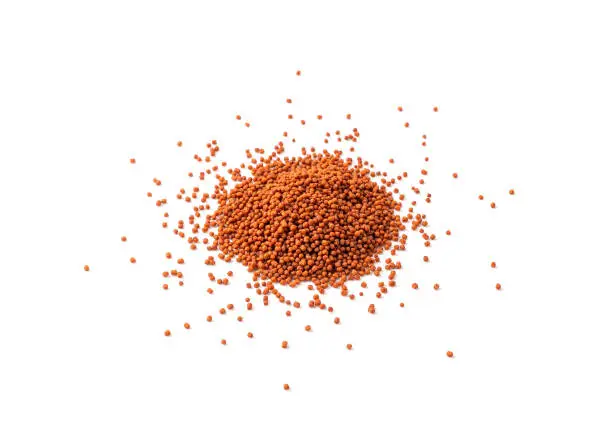
Look for a formula made specifically for bettas with animal-based ingredients near the beginning of the ingredient list. Size matters too. Small pellets around 1 to 1.5 mm are generally easier for bettas to handle, although the right size depends on the individual fish.
Top 3 Betta Pellets Brands
Some of my favorite pellet brands are listed below, which I have been using to feed my betta fish.

- Brand: Northfin
- Flavor: Krill
- Ingredients: All Natural
- Siz: 0.7 Ounce (Pack of 1)
- Color: Black

- Brand: New Life Spectrum
- Flavor: Fish
- Ingredients: Protein=37%, Fat=7%, Fiber=7%, Vitamin A,D,E
- Size: 2.46 Ounce (Pack of 1)
- Color: No Color

- Brand: Fluval
- Flavor: Seafood
- Ingredients: Protein=40%, Fat=12.5%, Fiber=5%, Vitamin A,D,E
- Size: 1.6 Ounce (Pack of 1)
- Color: White
When switching foods, start by mixing a few new pellets with the food your betta already accepts. Increase the new food gradually over several feedings rather than changing everything at once.
Advantages
- Easy to measure
- Simple to store
- Convenient for daily feeding
- Less preparation than frozen or live food
- Available in different pellet sizes and formulas
Disadvantages
- Quality varies considerably between brands
- Some bettas refuse particular pellet formulas
- Uneaten pieces can contribute to aquarium waste
For specific recommendations, see our best betta fish food picks above.
2. Betta Fish Flakes
Specialized betta flakes can work as part of a feeding routine, particularly when your fish readily accepts them. They are easy to break into very small portions, which can be useful for smaller bettas.
The main drawback is portion control. A pinch of flakes can contain much more food than it appears to, making it easier to overfeed. Pellets are often simpler because individual pieces can be counted.

- Brand: Tetra
- Flavor: Fish
- Age Range: All life stages
- Size: 0.81 Ounce (Pack of 1)
- Color: Standard Packaging

- Brand: Fluval
- Flavor: Seafood
- Age Range: All life stages
- Size: 0.63 Ounce (Pack of 1)
- Color: Brown

- Brand: Omega One
- Flavor: Fish
- Age Range: All life stages
- Size: 5.3 Ounce (Pack of 1)
- Color: Yellow
There is also no good reason to assume that flakes automatically cause swim bladder problems. Feeding too much food, poor water quality, or other factors can contribute to health problems, so the food format itself should not be blamed.
If you use flakes, crush larger pieces when necessary and remove anything your betta leaves behind.
3. Frozen and Live Food
Frozen and live foods are useful additions when you want to give your betta more variety beyond its regular staple food. Common choices include daphnia, brine shrimp, mysis shrimp, bloodworms, and mosquito larvae. Frozen options are convenient to store and portion, while live foods can encourage natural hunting behavior.
For frozen foods, take out only a small portion, thaw it in a little aquarium water, and feed what your betta can finish. Never place a large frozen block directly into the tank. Live foods should come from a clean, reliable source to reduce the risk of introducing contaminants or unwanted organisms.
Popular options include:
- Daphnia: Small crustaceans that provide useful dietary variety
- Brine shrimp: Easy for most bettas to eat and available live or frozen
- Mysis shrimp: A nutrient-rich option that works well as an occasional food
- Bloodworms: Highly appealing to many bettas and best fed occasionally
- Mosquito larvae: Can trigger a strong feeding response when sourced safely
The individual foods below explain their benefits, limitations, feeding frequency, and the best way to serve them.
Daphnia
Daphnia are small freshwater crustaceans that make a useful addition to a betta’s diet. They provide variety and are small enough for most bettas to eat comfortably.
Live daphnia can be difficult to keep available consistently, while frozen versions require freezer storage and careful portioning.
How often: A few feedings per week is enough when used as part of a varied diet.
How to feed: Offer a small portion of live or thawed frozen daphnia and remove leftovers. Frozen daphnia should be thawed before going into the aquarium.
Brine Shrimp
Brine shrimp are readily accepted by many bettas and are available in both live and frozen forms. They are especially useful when you want to add another type of aquatic prey to the feeding routine.
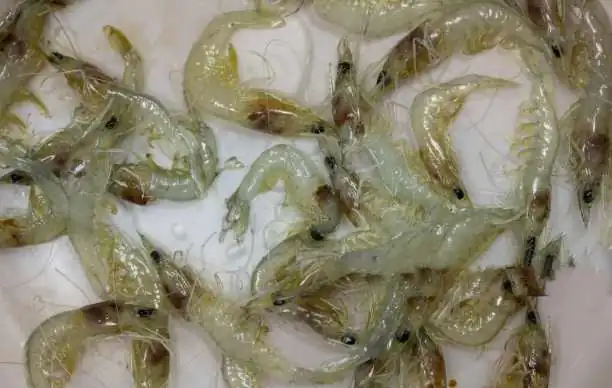
Adult brine shrimp are not always the most nutrient-dense option compared with some other foods, so they work better as part of a varied diet than as the sole food.
How often: Two or three times a week is plenty for most adult bettas.
How to feed: Thaw frozen brine shrimp in a small amount of aquarium water before feeding. For live brine shrimp, offer only a small quantity that your betta can finish quickly.
Mysis Shrimp
Mysis shrimp are a good choice when you want a richer frozen food with a different nutritional profile from smaller brine shrimp. Their size also makes them suitable for many adult bettas.
Mysis shrimp are usually more expensive than basic frozen foods and are not always available at every local fish store.
How often: Once or twice a week is sufficient as a variety food.
How to feed: Thaw a small amount in aquarium water and feed individual pieces or small portions. Avoid adding more simply because your betta continues begging for food.
Bloodworms
Bloodworms are one of the foods many bettas find especially appealing. They can be useful for encouraging a reluctant eater to take food and provide variety alongside a regular pellet diet.
Bloodworms should not become the main food. They are better treated as an occasional addition, and feeding too many can contribute to excess waste.
How often: Once or twice a week is generally enough.
How to feed: Use a small portion of frozen or properly prepared bloodworms. Thaw frozen bloodworms first and offer only what your betta can finish during the feeding session.

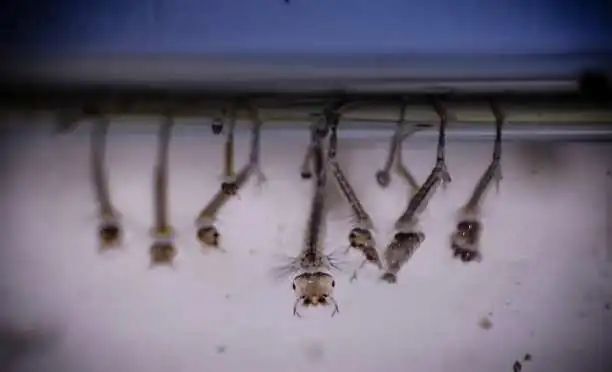
Mosquito Larvae
Mosquito larvae closely resemble the type of small aquatic prey bettas encounter in nature. They can provide variety and trigger a strong feeding response.
The biggest concern is where they come from. Collecting larvae from outdoor containers, ponds, or stagnant water can introduce contaminants, parasites, or unwanted organisms into your aquarium.
How often: Use them occasionally rather than making them a regular staple.
How to feed: Only use larvae from a clean, controlled source. Offer a small number at a time and remove any that remain uneaten.
What About Earthworms?
Small pieces of clean, properly prepared earthworm can occasionally be offered to an adult betta, but they are not necessary when you already have access to quality pellets, daphnia, shrimp, and other suitable foods. If used, the worm should come from a clean, chemical-free source and be cut into appropriately sized pieces.

Daphnia, brine shrimp, mysis shrimp, and bloodworms are the most practical live or frozen options for most betta keepers. Use them to add variety rather than replacing a nutritionally complete staple food.
5. Freeze-Dried Food
Freeze-dried foods offer much of the convenience of dry food without requiring freezer space. Bloodworms, daphnia, and brine shrimp are common examples.
They are easy to store and portion, making them handy when frozen food is not practical. However, freeze-dried foods should not automatically replace a balanced staple pellet. The nutritional profile depends on the product and processing method.

- Item Form: Granule
- Flavor: Shrimp
- Age Range: All life stages
- Size: 0.42 Ounce (Pack of 1)
- Color: Assorted Colors

- Item Form: Frozen
- Flavor: Daphnia
- Age Range: All life stages
- Size: 0.42 Ounce (Pack of 1)
- Color: No Color

- Item Form: Frozen
- Flavor: Tubifex worms
- Age Range: All life stages
- Size: 0.78 Ounce (Pack of 1)
- Color: No Color
Rehydrating freeze-dried pieces before feeding can make them easier for your betta to consume and may reduce the amount of dry food expanding after it is eaten. Place a small portion in aquarium water for a short time, then feed it to your fish.
For most aquariums, freeze-dried foods work best as occasional variety foods alongside a quality staple diet, rather than as the only food offered.
What Do Wild Betta Fish Eat?
Betta fish are primarily carnivorous and insectivorous, so their natural diet is made up mostly of small animal-based foods. In their native habitats, they hunt near the surface of slow-moving water and feed on whatever small prey they can catch.
Their natural diet includes:
- Insects: Small insects that land on or fall into the water can become easy prey for bettas.
- Insect larvae: Mosquito larvae and other aquatic insect larvae are common sources of animal protein.
- Small crustaceans: Daphnia, brine shrimp, and other tiny crustaceans can form part of their diet.
- Worms: Small worms and other soft-bodied aquatic organisms provide protein and fats.
- Other aquatic organisms: Bettas may also consume various tiny organisms that they encounter while hunting.
This natural feeding behavior explains why a good betta fish food should provide plenty of animal-derived protein and balanced nutrition. A quality betta pellet can serve as the main food, while options such as daphnia, brine shrimp, and other suitable live or frozen foods can add variety.
Bettas do not need a diet made up entirely of live food to stay healthy. A properly formulated commercial food can provide the nutrients they need, making it a practical choice for everyday feeding.
What Nutrients Do Betta Fish Need?
A good betta diet is about more than finding a food with a high protein number on the label. Your fish needs a combination of nutrients to support growth, activity, body condition, and normal daily functions. The quality and balance of those nutrients matter, especially when one food is used as the main part of the diet.
Protein
Protein provides the building blocks bettas need for growth, tissue repair, and maintaining muscle. Since bettas naturally eat insects, larvae, small crustaceans, and other animal-based foods, a quality betta food should include suitable sources of animal protein.
When comparing pellets, don’t focus only on the percentage of crude protein. Check the ingredient list as well. Fish meal, shrimp, krill, squid, and insect-based ingredients can all contribute useful protein.
A well-formulated food with a sensible nutritional profile is a better choice than simply picking the product with the highest number on the label.
Fats
Fats are an important source of concentrated energy for bettas. They also play a role in normal cell function and help the body use certain fat-soluble vitamins.
A good betta food should contain an appropriate amount of fat rather than being extremely low or excessively high in it. Ingredients such as fish and marine organisms can naturally provide useful fats, which is another reason the overall ingredient profile is worth checking before buying a food.
Vitamins and Minerals
Protein and fats get most of the attention, but vitamins and minerals are just as important to a complete diet. They support normal growth, immune function, metabolism, and other everyday body processes.
A quality commercial betta food is usually formulated with added vitamins and minerals to help provide a more complete nutritional profile. This is one advantage of using a properly formulated staple food instead of relying on a single type of live or frozen food.
What About Carbohydrates and Fillers?
Carbohydrates are not automatically harmful to bettas, and ingredients such as wheat, corn, or soy do not make a food unsuitable simply because they appear on the label. What matters is the overall formula and how much the food depends on these ingredients compared with more useful sources of nutrition.
Some plant-based ingredients can serve a functional purpose in fish food, including helping bind the pellets or providing other nutrients. The concern is with foods that rely heavily on inexpensive fillers while offering little nutritional value from animal-based ingredients.
For a betta’s staple food, look for a formula where quality protein sources are prominent and the overall ingredient list makes sense for a carnivorous fish. There is no need to reject every food containing a small amount of plant ingredients, but a formula dominated by fillers is less appealing than one built around appropriate animal-based ingredients.
How Much Food Should You Feed a Betta?
The right portion is not the same for every betta. A small young fish may need less than a large, active adult, and two pellets from different brands can contain very different amounts of food. Pellet size, food type, age, body size, activity level, and your betta’s overall body condition all affect how much it should receive.
A good starting point is to offer a small portion that your betta can finish within a few minutes, rather than relying on a fixed pellet count. For small pellets, this may mean several individual pieces, while larger pellets may require fewer.
With frozen or live foods, start with a small portion and increase it only if your fish consistently finishes the food quickly without leaving leftovers.
Watch your betta after feeding. A healthy portion should leave the fish satisfied without creating a noticeably swollen belly or uneaten food on the bottom of the tank.
Adjust the amount based on what you see:
- Food remains after feeding: Reduce the next portion.
- Your betta consistently finishes everything quickly and maintains a healthy body shape: The portion is likely appropriate.
- The belly becomes noticeably rounded after meals: Cut back slightly.
- Your betta appears thin despite regular feeding: Review the food quality and portion size rather than simply adding large meals.
- Pellet size changes: Reassess the portion instead of keeping the same pellet count.
Remove uneaten food when possible. Leftover food can break down quickly in a small aquarium and contribute to poor water quality.
How Often Should You Feed a Betta Fish?
Most adult bettas do well with one or two small meals per day. The important part is keeping portions modest and following a consistent routine rather than giving large meals at irregular times.
Once Daily
Feeding once a day can work for a healthy adult betta when the portion is appropriate. This schedule is simple and makes it easier to monitor how much your fish actually eats.
Twice Daily
Two smaller meals can be a good option if your betta handles smaller portions well. Splitting the daily amount into morning and evening feedings can also make portion control easier than offering one larger meal.
Smaller Meals
Bettas have small stomachs, so large portions are unnecessary. If you feed twice a day, divide the total daily amount rather than doubling it. The goal is to spread the food out, not increase the total quantity.
Keep the Routine Consistent
Try to feed around the same times each day. A predictable routine makes it easier to notice changes in appetite and prevents accidental overfeeding.
What About Fasting?
An occasional skipped meal can be reasonable for a healthy adult betta, particularly if you have been feeding heavily or notice that your fish is consistently leaving food behind. Routine or prolonged fasting is not necessary for most healthy bettas. Focus instead on appropriate portions and regular feeding.
My Feeding Routine
- Monday, Thursday = Pellets or flakes in the morning and daphnia at night before bed.
- Saturday and Sunday = Mysis shrimp in the morning and mosquito larvae in the evening
- Tuesday = Brine Shrimp
- Wednesday = Keep on fasting
- Bloodworms 1-2 times a week on any day
I don’t feed freeze-dried food to my betta because I have live and frozen food available, and my betta always accepts them.
What Food Helps Enhance Betta Fish Color?
A betta’s color is influenced by much more than its diet. Genetics, age, overall health, water quality, lighting, and the aquarium environment all affect how vibrant a fish looks. Good nutrition can support healthy pigmentation, but no food can completely change a betta’s natural color pattern.
Some ingredients are commonly found in color-focused betta foods. Astaxanthin, a natural carotenoid pigment, is often included to support normal coloration. Krill provides marine protein along with naturally occurring pigments, while spirulina supplies nutrients and carotenoids commonly used in ornamental fish diets.
The overall quality of the diet matters more than any single ingredient. A balanced food with appropriate animal-based protein, fats, vitamins, and minerals gives your betta the nutritional support it needs. Clean, stable water and suitable lighting are also important for helping your fish display its natural colors.
For a color-focused option, NorthFin Betta Bits is one of our top picks. Its formula includes whole Antarctic krill, herring, sardine, spirulina, and astaxanthin, making it a good choice for betta owners looking for a nutritionally focused staple that also contains ingredients associated with supporting vibrant coloration.
Human Food to be Used as Betta Food
For a betta fish owner seeking human food for his pet, a small amount of cooked egg yolk can work temporarily until he gets proper betta food. However, the best option would be any frozen seafood.
Avoid feeding vegetables, as bettas are carnivores and cannot digest them; doing so can make them sick. Stick to protein sources like seafood, which resembles what bettas naturally eat. Avoid mammalian meat like beef or chicken because bettas can’t digest it.
Betta Fish Food for Vacation
A short trip does not require complicated feeding arrangements, but it is worth preparing your aquarium before you leave. The right approach depends on how long you will be away and whether someone can check on your betta.
For a trip of 2 to 3 days, a healthy adult betta will generally be fine without food. Avoid giving extra food before leaving. Instead, feed the normal amount, check the aquarium, and make sure the water quality is good. A partial water change before the trip can also help keep the tank in good condition.
For trips lasting several days or longer, having someone you trust feed your betta is usually the safest option. Pre-measured portions can help prevent accidental overfeeding.
Automatic feeders can be useful, but they are not completely risk-free. A feeder can malfunction, release too much food, or fail to dispense food properly. If you use one, test it several days before your trip and make sure the portions are small enough for your betta.
I have also used the Fish Mate F14 Automatic Fish Feeder (Shop on Amazon) for aquarium feeding. It has worked well for me, although I have occasionally seen pellets stick because of moisture. The feeder’s pin system can also take a little time to understand, so testing it before leaving is important.
What Foods Should Betta Fish Avoid?
Not every food that a betta can swallow belongs in its regular diet. Some feeding mistakes can also create water quality problems, especially in smaller aquariums. Focus on fresh, species-appropriate food and keep portions small.
Overfeeding
Giving your betta more food than it needs is one of the easiest mistakes to make. Extra food can remain uneaten, increase waste, and contribute to poor water quality. Feed an amount your fish can finish during the meal rather than relying on a fixed number of pellets.
Spoiled or Old Food
Check dry, frozen, and live foods before feeding. Discard anything that smells unusual, looks contaminated, or has been stored improperly. Old food is not worth the risk when a betta only needs a very small portion at each meal.
Too Many Treats
Bloodworms, shrimp, and other treats can be useful for variety, but they should not take over the diet. A nutritionally complete staple food should remain the foundation, with richer foods used occasionally.
Poor-Quality Diets
A low-cost food is not automatically a bad choice, but the ingredient list and nutritional profile still matter. Avoid making a food your main staple if it provides poor overall nutrition or is not appropriate for bettas. Look for a complete formula designed for tropical or betta fish and consider the primary protein sources.
Unsafe Live Food
Live food can be excellent for variety, but collecting it from ponds, puddles, or other uncontrolled sources can introduce parasites, contaminants, or unwanted organisms. Use live foods from reliable sources instead of feeding anything collected from potentially polluted water.
Food Left in the Aquarium
Uneaten food should not be allowed to sit and break down in the tank. Remove leftovers after feeding, particularly if they have settled into the substrate or decorations. This helps keep the aquarium cleaner and prevents unnecessary waste from building up.
The simple rule is to give your betta fresh, appropriate food in small portions, use treats sparingly, and remove anything it does not eat.
What If Your Betta Won’t Eat?
A betta skipping a meal is not always a sign of a serious problem. Changes in the tank, unfamiliar food, or temporary stress can all affect appetite. The important thing is to look at what else has changed and how long the refusal continues.
Stress
A new aquarium, recent move, aggressive tank mates, or changes to the surroundings can make a betta ignore food.
Give your fish some time to settle and keep the tank environment calm. Avoid repeatedly offering different foods, as this can add more stress.
Water Temperature and Water Quality
Bettas are tropical fish and need stable, appropriate water temperatures. Poor water quality can also affect normal behavior and appetite.
Check the temperature and test the water for problems such as ammonia and nitrite if your betta suddenly stops eating.
Food Preference
Some bettas simply reject certain foods. A new pellet may have a different size, texture, smell, or taste than what your fish is used to.
Try offering a small amount of another suitable betta food and see if the response improves. Avoid constantly changing foods just to encourage eating.
Illness
Loss of appetite can sometimes be a sign of illness in bettas. Watch for other changes, including unusual swimming, clamped fins, rapid breathing, bloating, white spots, sores, or a noticeable change in body condition. When appetite loss appears alongside other symptoms, the food itself may not be the main issue.
When to Take the Problem Seriously
Pay closer attention if your betta continues refusing food, becomes noticeably less active, loses weight, or develops other abnormal symptoms. At that point, check the aquarium conditions and consider getting advice from an aquatic veterinarian or qualified fish health professional. For a more detailed troubleshooting guide, see our betta fish not eating article.