Do Betta Fish Need Light
Yes, betta fish need light, but they do not need bright aquarium lighting all day.
Light helps bettas maintain a regular day-and-night cycle, while darkness gives them time to rest. A betta can live without a dedicated aquarium light if its tank receives normal ambient room light during the day. However, a predictable cycle of light and darkness is important.
If you keep live plants, your aquarium may also need a dedicated light because plants require light for photosynthesis. If you’re choosing a light for your betta tank, see our guide to the best betta fish lights to find suitable options.
The goal is to give your betta some light during the day and darkness at night.
Why Do Betta Fish Need Light?
Bettas are active during the day and rest at night. Like other animals, they use environmental light cues to help regulate their daily biological rhythm.
In an aquarium, providing a consistent period of light followed by darkness helps establish a predictable routine. Your betta can become accustomed to when it is daytime and when it is time to rest.
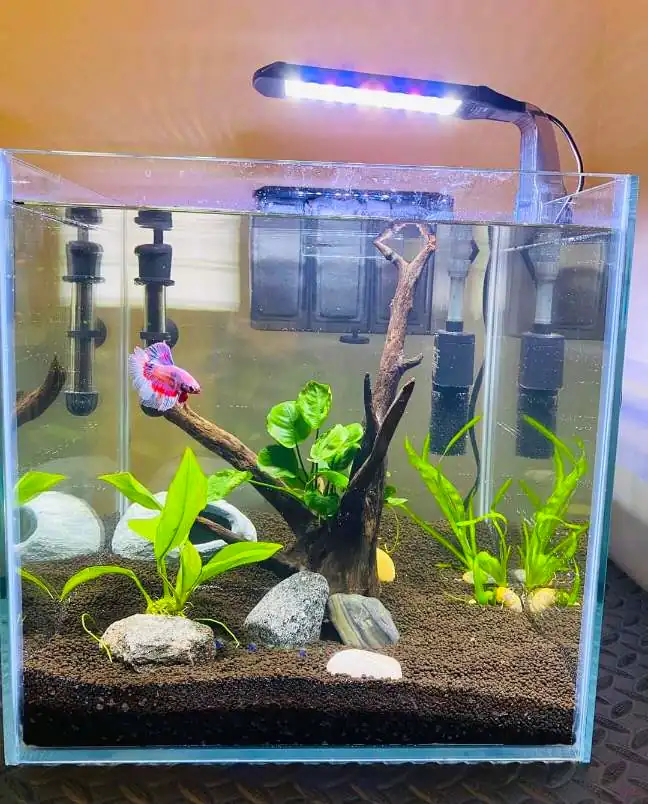
Light also allows your betta to see and explore its surroundings during the day. It makes the aquarium easier for you to observe and enjoy as well.
However, more light is not better. Bettas naturally live in shallow, plant-filled environments where vegetation can create shaded areas. Your aquarium should give your fish places where it can move away from direct light when it wants to.
Benefits of Light in a Betta Tank
Helps Maintain a Day-Night Cycle
One of the main reasons betta fish need light is to help establish a regular day-and-night cycle. Bettas are generally active during the day and rest at night, so a predictable pattern of light and darkness helps them follow a consistent daily routine.
You don’t need to keep the aquarium brightly lit for this purpose. Normal daytime room light may be enough for a fish-only tank, while a dedicated aquarium light gives you greater control over the schedule.
Supports Live Plant Growth
Light is especially important if you keep live plants in your betta aquarium. Plants need light for photosynthesis, so a tank with live plants may require a dedicated aquarium light even when the betta itself could manage with ambient room lighting.
The amount of light required depends on the plant species and aquarium setup. For many planted betta tanks, around 8–10 hours of light per day is a reasonable starting point, with adjustments based on plant growth and algae levels.
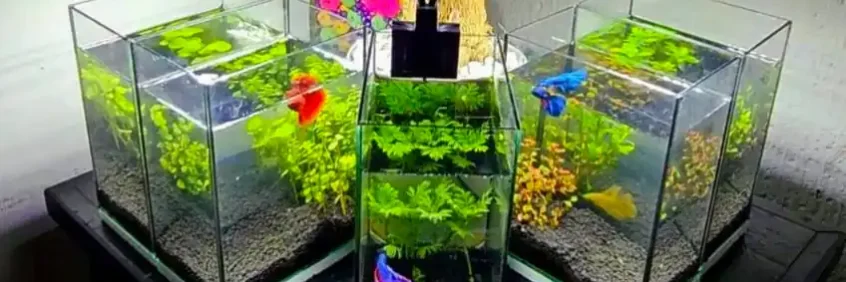
You can also add plants, floating cover, and suitable tank decorations to create shaded areas where your betta can retreat from the light when needed.
Makes It Easier to Observe Your Betta
Adequate daytime lighting also makes it easier to observe your betta and its aquarium. You can see your fish’s behavior, appetite, fins, body condition, and activity more clearly.
Good visibility can help you notice changes such as unusual hiding, damaged fins, white spots, or changes in appetite before they become more serious. It also makes routine tank maintenance easier because you can clearly see the condition of the water, plants, and decorations.
Do Betta Fish Need Light at Night?
No, betta fish do not need light at night. In fact, your betta should have a period of darkness every night. Leaving an aquarium light on continuously can interfere with the normal distinction between day and night and may also encourage algae growth.
You do not need to keep a blue or other colored light on overnight. When the daytime lighting period ends, turning the aquarium light off is the simplest approach.
If your room remains completely dark during the day, you can use an aquarium light to provide a consistent daytime period. But once nighttime arrives, the light should be turned off.
How Many Hours of Light Do Betta Fish Need?
A practical starting point is around 8–10 hours of light during the day, followed by several hours of darkness at night.
The exact schedule does not have to match sunrise and sunset perfectly. Consistency is more important.
For example, you could keep the aquarium light on from: 9:00 AM to 6:00 PM
and then leave it off overnight. If your aquarium receives plenty of natural ambient light from the room, you may not need to run a dedicated aquarium light for the full period.
If you keep live plants, their lighting requirements should also be considered.
Can Betta Fish Live Without a Light?
Yes, a betta can live without a dedicated aquarium light. If the aquarium is located in a normally lit room, the natural changes between daytime and nighttime can provide enough ambient light for a fish-only tank.
This is different from keeping the aquarium in darkness all day.
Your betta does not need a powerful lamp simply because it is a betta. A dedicated aquarium light is mainly useful when you need better control over the lighting schedule, want to view your fish more clearly, or keep live plants that require additional light.
So, if your tank contains only your betta, artificial plants, and decorations, a dedicated aquarium light is not always necessary.
Is Room Light Enough for a Betta Fish?
For many fish-only betta tanks, normal room lighting can be enough.
If your aquarium is in a room that becomes naturally brighter during the day and darker at night, your betta can still experience a regular day-and-night pattern.
However, room lighting is less predictable than a dedicated aquarium light. A tank in a very dark room may receive little daytime light, while a tank placed directly beside a bright window may receive too much.
You should also avoid placing your betta tank in direct sunlight.
Can Betta Fish Get Light From a Window?
Indirect daylight can provide ambient light, but direct sunlight is not a good substitute for controlled aquarium lighting.
Direct sunlight can warm the aquarium water and cause unwanted temperature changes. It can also encourage rapid algae growth.
If your tank is near a window, keep it out of direct sunlight. A location with normal room brightness and no strong sunlight shining directly into the aquarium is a better choice.
What Happens If a Betta Gets Too Much Light?
Too much light can create problems for both your betta and the aquarium.
A bright light running for long periods can encourage algae growth, especially when excess nutrients are available from uneaten food and fish waste.
Some bettas may also become uncomfortable in very bright aquariums, particularly when there are no shaded areas.

If your betta regularly moves away from the light or spends most of its time hiding when the aquarium light is on, check the lighting and the rest of the tank environment.
Adding plants, caves, or other suitable hiding places can give your betta somewhere to retreat.
The aquarium does not need to be brightly illuminated from every part of the tank.
What Happens If a Betta Gets Too Little Light?
A betta does not need intense lighting, so having a relatively dim aquarium is not automatically a problem.
The bigger concern is keeping your fish in darkness throughout the entire day without a clear day-and-night pattern.
If your room receives normal daytime light, a dedicated aquarium lamp may not be necessary for your betta.
However, live plants are different. They require suitable light for photosynthesis. If you have live plants in an aquarium that receives very little light, they may struggle to grow.
This means the lighting requirements of your betta and your plants are not always the same.
Do Live Plants Change a Betta’s Lighting Needs?
Yes, your betta itself does not need strong lighting, but live plants need light to photosynthesize and grow.
Some easy aquarium plants have relatively low lighting requirements, while other plants need considerably more light. If you have live plants, you may therefore need a dedicated aquarium light even though your betta could live comfortably with ambient room lighting.
If you are setting up a planted betta aquarium, see our guide to betta fish plants for suitable plant choices.
Should You Leave a Betta Fish Light On All Day?
No, there is no reason to keep your betta’s aquarium light on continuously throughout the day and night.
A regular lighting period is enough. Around 8–10 hours of daytime light is a useful starting point, followed by darkness at night.
If algae becomes excessive, the amount of light may need to be reduced. You should also consider other causes of algae, including excess nutrients and overfeeding.
Using a timer can help keep the lighting schedule consistent without requiring you to switch the light on and off manually every day.
Do Betta Fish Like Bright Light?
Bettas generally do better with moderate lighting rather than extremely bright conditions.
In nature, vegetation and shallow water can create areas of shade. You can recreate some of this environment in an aquarium by providing plants, floating cover, or suitable hiding places.
Pay attention to your individual betta. If it behaves normally under your current lighting, explores the aquarium, and has access to shaded areas, there may be no reason to make major changes.
Can I Turn the Betta Light Off During the Day?
You can turn the aquarium light off during the day if the room still provides normal ambient daylight.
For example, if your aquarium is in a naturally lit room, your betta does not necessarily need an aquarium lamp running all day.
However, if the room is dark and the tank receives almost no daytime light, a dedicated aquarium light can help establish a clearer day-and-night cycle.
A Simple Betta Fish Lighting Routine
You do not need a complicated lighting schedule for your betta.
A simple routine works well:
- Day: Provide normal ambient or aquarium light.
- Evening: Turn the aquarium light off.
- Night: Keep the tank dark.
- Daily: Follow a reasonably consistent schedule.
If you keep live plants, adjust the aquarium lighting according to their requirements.
The most important thing is to avoid constant lighting and provide your betta with a predictable period of darkness every night.
Our Final Answer: Do Betta Fish Need Light?
Yes, betta fish need a regular day-and-night cycle, but they do not necessarily need a dedicated aquarium light.
A fish-only betta tank can often receive enough daytime illumination from normal room lighting. A dedicated aquarium light becomes more useful when the room is dark, when you want better control over the lighting schedule, or when your tank contains live plants.
Keep the lighting moderate, provide shaded areas, and turn the aquarium light off at night.
Your betta does not need a bright tank 24 hours a day. A predictable rhythm of light during the day and darkness at night is what matters most.
FAQs
1. Do betta fish need light every day?
Yes. Bettas benefit from a regular day-and-night cycle. They need daytime light, but this does not necessarily have to come from a dedicated aquarium lamp.
2. Do betta fish need light at night?
No. Bettas need darkness at night and should not have an aquarium light running continuously.
3. Can betta fish live in darkness?
Bettas should not be kept in darkness throughout the day. They benefit from a regular cycle of daytime light followed by nighttime darkness.
4. Can betta fish live without an aquarium light?
Yes. A betta can live without a dedicated aquarium light if its tank receives normal ambient daytime light and becomes dark at night.
5. How many hours should a betta fish light be on?
Around 8–10 hours of daytime aquarium lighting is a practical starting point. The ideal duration can vary depending on the tank and whether you keep live plants.
6. Is room light enough for a betta?
It can be enough for a fish-only betta tank if the room receives normal daytime light. A dedicated aquarium light provides better control and is usually needed for live plants.
7. Can betta fish have sunlight?
Indirect daylight is fine, but avoid direct sunlight on the aquarium. Direct sunlight can heat the water and encourage excessive algae growth.
8. Do betta fish like bright light?
Bettas generally do better with moderate lighting rather than extremely bright conditions. Providing plants and other shaded areas allows your fish to move away from the light when needed.
9. Do betta fish need light for sleep?
No. Bettas need darkness rather than light when resting at night. Turning the aquarium light off helps create a clear day-and-night routine.