

Do Betta Fish Need an Air Pump?
Short answer: Most betta fish do not need an air pump, but there are a few situations where one can help.
One big reason betta fish are different from most other aquarium fish is a special feature called the labyrinth organ. It’s a unique breathing organ that lets bettas gulp air directly from the water’s surface.
Instead of relying solely on dissolved oxygen in the water, bettas can breathe atmospheric air, almost as if taking a quick breath above water. This is why you’ll often see a betta swim up, take a gulp, and head back down.
This adaptation is a big reason why air pumps aren’t always necessary for bettas and why calm, gentle water conditions usually suit them best.
Do You Really Need an Air Pump for Your Betta Tank?
Instead of guessing or copying what someone else does, it’s much better to look at your own tank setup. Bettas don’t all live in the same conditions, so the right answer depends on a few simple factors.
Think of this section like a quick mental checklist or decision guide. As you read through it, you’ll quickly figure out whether an air pump is helpful for your betta or totally unnecessary.
Ask Yourself These Simple Questions
- How big is your tank? (Under 5 gallons, 5–10 gallons, or larger?)
- What type of filter are you using? (Sponge filter, hang-on-back, internal, or none?)
- Do you have live plants? (Lots of plants, a few, or none?)
- Is it just your betta, or are there peaceful tankmates too?
- Are you currently using medication?
- Do you live in an area with frequent power outages?
Your answers to these questions point you toward the right choice. We’ll discuss the need of air pump in the next section while keeping in mind the above questions. Some setups benefit from extra aeration, while others already have everything a betta need.
When a Betta Tank Absolutely Needs an Air Pump
There are certain situations where adding gentle aeration isn’t optional; it’s important for your betta’s health.
During Medication or Treatment
Many fish medications lower oxygen levels in the water or stress fish even more than usual. When a betta is sick, it also becomes more sensitive to low oxygen. Whenever you’re medicating your betta, add gentle aeration. It can make a big difference in recovery.
Power Outages or Filter Failure
If your filter stops working, oxygen levels can drop quickly, especially in smaller tanks. Keep a small battery-operated air pump on hand. It’s a simple emergency backup that can save your fish during outages.
Tanks with Tankmates
Bettas prefer being alone, but some live peacefully with the right tankmates in larger tanks. More fish means more waste and more oxygen use.
If your tank is stocked with other fish, extra aeration may be helpful but only if the tank is large enough and the current stays gentle.
Filters with Little Surface Movement
Some filters don’t move the water surface much, which limits oxygen exchange. A low-flow sponge filter powered by a gentle air pump is often perfect for bettas. It provides filtration and soft aeration without creating strong currents.
Signs of Low Oxygen
If your betta is gasping at the surface, breathing heavily or acting weak, don’t wait. Immediate aeration is necessary.
When a Betta Tank Likely Does NOT Need an Air Pump
In many setups, an air pump adds no real benefit and can even stress your betta.
Tanks with a Proper Filter
Most hang-on-back, internal, and canister filters already create enough surface ripple for oxygen exchange. If you see gentle movement on the water’s surface, oxygen levels are usually just fine.
Planted Tanks (Especially During the Day)
Live plants naturally release oxygen while they photosynthesize. Plants like Anubias, Java Fern, and Hornwort help maintain healthy oxygen levels and improve water quality at the same time. Plants use oxygen at night, but in a balanced tank, this usually isn’t a problem.
Betta-Only Tanks (5+ Gallons)
A single betta in a properly sized tank with a decent filter usually doesn’t need extra aeration at all. In fact, too much bubbling or flow can make it harder for your betta to swim comfortably.
Regular Water Changes
Clean water equals better oxygen levels. Consistent partial water changes often do more for oxygen and overall health than an air pump in a well-maintained tank.
Types of Air Pumps and Aeration Devices
If you’ve figured out that your betta tank does need some extra aeration, the next step is choosing the right equipment. Not all air pumps and bubble devices are betta-friendly, so let’s break this down in simple terms.
1. Diaphragm Air Pumps
These are the most common air pumps you’ll see in pet stores. They work by using a vibrating diaphragm to push air through the airline tubing. They get the job done, but noise can be hit-or-miss. Some are quiet, others sound like a tiny engine running 24/7.
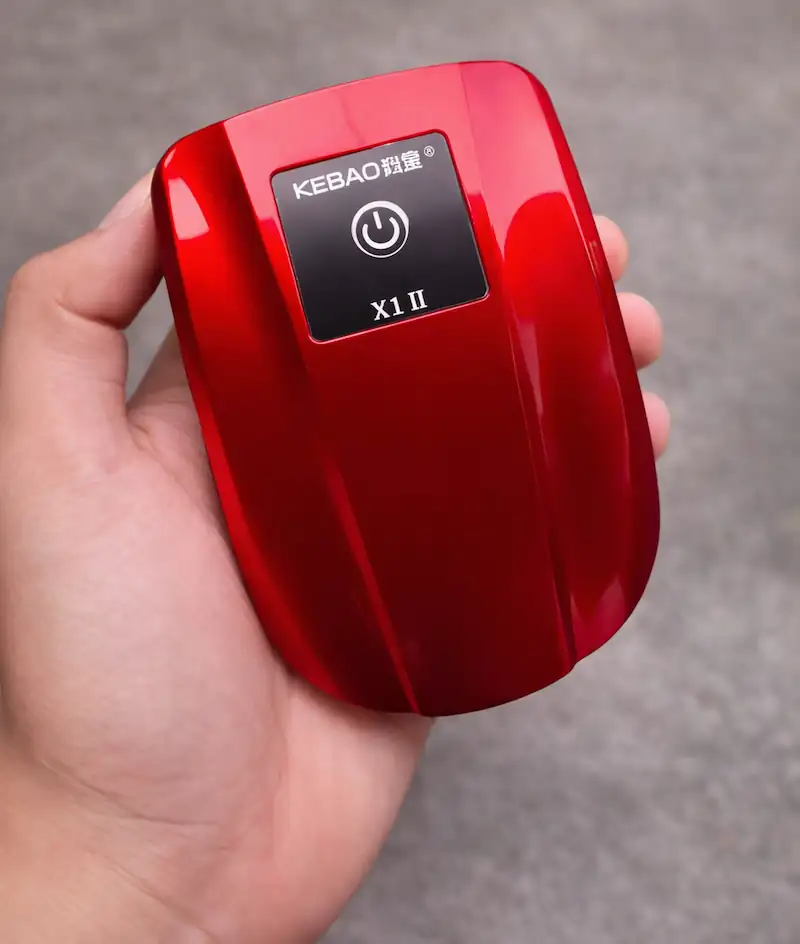
2. USB-Powered Air Pumps
This is the air pump I use for my 5-gallon betta tank. These are small, compact and usually much quieter than traditional pumps. They’re a great option for smaller betta tanks and are easy to power using a USB adapter or power bank.
3. Airstones
Airstones break the air into fine bubbles, which helps oxygen mix into the water.
Common types include:
- Ceramic
- Limewood
- Plastic
For bettas, smaller bubbles are better. Use a fine airstone and keep the airflow low so the current stays gentle.
4. Air Diffusers or Bubble Wands
These create a curtain or line of bubbles across the tank. They’re often used for looks, but they do add oxygen too. Just be careful, too much bubbling can create strong water movement that stresses bettas.
Recommended Air Pumps for Your Betta Tank
If you decide an air pump could help your betta, here are two solid options from Amazon worth considering. Both are budget-friendly and well-reviewed for small aquariums.
1. Pawfly MA-60 Aquarium Air Pump Kit
This compact Pawfly kit is a great pick for small to medium aquariums, including 5-gallon betta tanks. It comes with everything you need: airline tubing, a check valve, and even a sponge filter, so setup is quick and simple. Many users find it quiet and efficient for everyday use, and the adjustable flow control lets you fine-tune the airflow without messing up your betta’s calm environment.
2. Hygger Mini Aquarium Air Pump
Another reliable choice is the Hygger aquarium air pump, especially for tanks up to about 20 gallons. This little pump kit usually includes the air tube, airstone, and check valve, so it’s ready to go right out of the box. It’s known for low energy usage and quiet operation, making it acceptable even in bedrooms or offices. The gentle bubble output is perfect for bettas who prefer calm water.
Essential Air Pump Setup: Step-by-Step Guide for Betta Tanks
If you’ve decided your betta tank really does need an air pump, setting it up the right way is just as important as choosing the pump itself. A poor setup can cause stress, noise, or even safety issues. Here’s a simple, beginner-friendly way to do it properly.
Step 1: Unpack and Inspect Everything
Before plugging anything in, take a quick look at all the parts. Make sure the air pump, airline tubing, airstone or diffuser, and check valve are all in good condition. If anything looks cracked or damaged, don’t use it.
Step 2: Place the Air Pump Correctly
Where you place the pump matters. Ideally, the air pump should sit above the water level. If it must be placed below the tank, a check valve becomes absolutely critical.
To reduce vibrations, I place the pump on a soft mat, towel or inside a cabinet with airflow. This keeps the pump quieter for you and less stressful for your betta.
Step 3: Connect the Airline Tubing
Attach one end of the airline tubing firmly to the air pump’s outlet. You have to make sure it’s snug so air doesn’t leak out.
Step 4: Attach the Airstone or Diffuser
Connect the other end of the tubing to the airstone or diffuser, then place it inside the tank where it won’t create strong currents. Try to avoid placing it directly under your betta’s favorite resting spots.
Step 5: Install a Check Valve
This is the most important safety step. A check valve stops water from flowing backward through the airline tubing if the power goes out. Without it, water can siphon out of the tank and into the air pump, damaging the pump and creating an electrical risk.
Install the check valve on the airline tubing, positioned above the water level, with the arrow pointing toward the tank.
I’ve seen pumps ruined during power outages simply because a check valve wasn’t used. It’s a tiny, cheap part that prevents a big mess.
Step 6: Plug in and Adjust the Airflow
Once everything is connected, plug in the pump. I always start with the lowest airflow setting, then slowly increase it if needed. Watch your betta closely.
You have to look for:
- Fine bubbles
- Gentle surface movement
- No strong current, pushing your betta around
If your betta looks stressed or avoids parts of the tank, dial back the flow
Observe Your Betta After Setup
Every betta reacts a little differently. After setup, keep an eye on your fish for the next few hours. A comfortable betta will swim normally, explore the tank, and rest calmly. If it struggles against the flow, the aeration is too strong.