Seeing cloudy eyes on your betta can be worrying. It often looks sudden, and it’s more than just a cosmetic issue; it’s usually a sign that something isn’t right.
The problem is that online advice can be confusing and contradictory, making it hard to know what to do. If cloudy eyes are ignored, they can lead to vision problems or more serious health issues.
What Exactly Are Cloudy Betta Eyes?
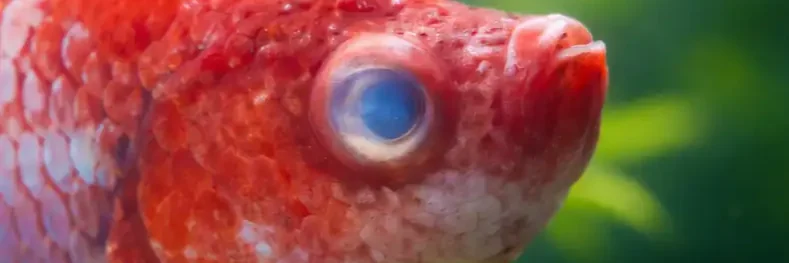
Cloudy betta eyes are exactly what they sound like. Your betta’s eyes start to look hazy instead of clear and shiny. The cloudiness can show up in different ways, and those details matter.
Sometimes only one eye looks cloudy, which often points to an injury or something irritating the eye. If both eyes are cloudy, it’s more likely related to water quality, infection, or an internal issue. The color can also vary. You might see a milky white look, a dull gray or bluish haze, or even a thin film covering the eye.
It’s also important to note whether the eye is just cloudy or actually protruding. Simple cloudiness differs from pop-eye, in which the eye bulges outward. Pop-eye is usually more serious and needs quicker action.
A few common myths need clearing up. Cloudy eyes don’t always mean your betta is going blind, and it’s not automatically pop-eye either. In most cases, cloudy eyes are a symptom of another problem, not a disease in themselves.
Primary Causes of Cloudy Betta Eyes
To treat cloudy eyes properly, you first need to understand why it’s happening. Cloudy eyes are usually a symptom, not a disease on their own. Fixing the root cause is what leads to real recovery.
Poor Water Quality
Poor water quality is the most common cause by far. Ammonia and nitrite spikes can burn delicate eye tissue and weaken your betta’s immune system. High nitrates don’t usually cause sudden damage, but long-term exposure stresses your fish and makes infections more likely.
If the pH is too high or too low, it can irritate the eyes like a chemical burn. Sudden changes in water hardness can also stress your betta and throw off its internal balance.
Bacterial Infections
Bacterial infections are another common reason. Bacteria such as Aeromonas and Pseudomonas take advantage when a betta is already stressed, injured, or living in poor water. Cloudy eyes often appear alongside other symptoms such as fin rot, red streaks, body sores, or unusual lethargy.
Fungal Infections
Fungal infections are much less common and are usually secondary. They tend to appear after an injury or an untreated bacterial infection. You may notice white, cotton-like growths on or around the eye. When fungus is involved, it usually means there’s an underlying problem that hasn’t been fixed yet.
Parasitic Causes
These are rare but possible. Certain parasites can directly irritate or damage eye tissue. Other signs may include flashing against tank objects, rapid breathing, or visible parasites on the body.
Physical injuries
Physical injuries can start small and quickly become serious. Sharp decorations, rough gravel, or aggressive tank mates can scratch the eye. Once the eye is damaged, bacteria can easily enter and cause an infection.
Look closely at your tank setup and remove anything sharp or rough that could cause injuries.
Poor Diet and Vitamin Deficiencies
Vitamin deficiencies can be a cause of betta cloudy eye. Vitamin A is important for eye health, and a weak diet lowers overall immunity. Bettas fed low-quality or repetitive food are more likely to get sick.
Symptoms & How to Diagnose Cloudy Eye
When your betta has cloudy eyes, it’s not just about the eyes. You need to look at the whole fish to understand what’s wrong. Watch your betta’s behavior and appearance closely for other clues.
Behavior changes to watch for include your betta becoming unusually still or lazy, hiding more than normal, or keeping its fins clamped close to the body. Some bettas rub their bodies against tank decorations or the tank walls (called flashing). Loss of appetite or refusing food is also a big red flag.
Other physical signs can give you more answers. Look for frayed or rotting fins, opacity in eyes, faded or dull colors, sores or red streaks on the body, swollen gills, or heavy, fast breathing.
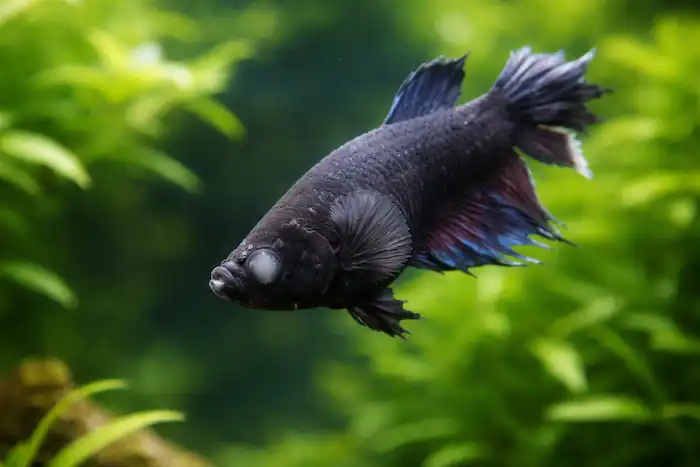
Don’t focus only on the eyes. Always check your betta’s behavior, appetite, fins, and breathing. These details help pinpoint the real cause.
Now let’s connect the dots:
- Cloudy eyes, along with poor water test results and lethargy, usually point to water quality problems and a bacterial infection.
- Cloudiness in just one eye, with no other symptoms, often suggests a physical injury, especially if there are sharp decorations in the tank.
- Cloudy eyes, along with a bulging or swollen eye (popeye), may indicate a more serious bacterial infection that may affect the whole body.
- Cloudy eyes with white, cotton-like growths are classic signs of a fungal infection, often following an injury or the presence of untreated bacteria.
- Cloudy eyes, along with rapid, labored breathing, may indicate the presence of parasites.
Step-by-Step Treatment Protocols
When it comes to treating cloudy eyes, simple and correct steps work better than rushing into strong meds. The goal is to fix the cause first, not just the symptom. Also, be careful with home remedies. You see online, many aren’t safe or proven.
The very first step is water testing. Always check ammonia, nitrite, nitrate, and pH before doing anything else. In many cases, fixing the water alone leads to big improvements.
Start with water changes. Several small daily water changes often work better than one big one. Do 25–30% daily changes using dechlorinated, temperature-matched water. This reduces toxins without stressing your betta.
While doing water changes, vacuum the gravel to remove waste and uneaten food. Dirty substrate is a common source of ongoing problems. A good water conditioner like Seachem Prime helps neutralize chlorine and detoxify ammonia and nitrite.
Quarantine Tank
If possible, move your betta to a small hospital tank (about 2.5–5 gallons). This reduces stress, protects other fish, and allows accurate dosing. Keep the water clean and the temperature stable using a reliable heater and thermometer.
Using Salts
Epsom salt and aquarium salt are distinctly different, and it’s important to understand their unique properties.
Epsom salt (magnesium sulfate) helps reduce swelling and fluid buildup. It’s useful if the eye is bulging or your betta looks bloated. It’s best used as a short bath in a separate container or at very low doses in the tank. Make sure it’s pure Epsom salt with no added scents.
Aquarium salt (sodium chloride) works as a mild antiseptic and can reduce stress. It may help with minor infections, but it should be used carefully, especially if you have live plants or invertebrates.
Medicated Treatment
If the cause is bacterial
For severe cloudiness, antibiotics can help if a bacterial infection is suspected. Common antibiotics include kanamycin, erythromycin, or Furan-2. Always follow dosing instructions carefully, as antibiotics can harm beneficial bacteria in your main tank.
Aquarium products like Seachem KanaPlex or API Bettafix contain kanamycin or other antibiotics and are formulated for safe use in fish tanks, but should only be used after proper diagnosis.
If the cause is fungal
White, cotton-like growths usually respond to antifungal treatments like methylene blue or fungus-specific medications. Just remember, fungus often appears because of poor water or injury, so those issues must be fixed too.
If parasites are suspected
Parasitic cases are less common but may need medications like PraziPro. Correct identification is important, as different parasites require different treatments.
Always follow the manufacturer’s instructions exactly. Take out the activated carbon from your filter while performing the treatment. Watch your betta closely for any signs of distress, and stop treatment if things get worse.
Don’t mix treatments randomly. Never combine multiple meds or salts unless you know exactly what you’re doing. Over-medicating can harm your betta more than help.
Prevention of Cloudy Eyes in Your Betta
The best way to deal with cloudy eyes is to stop them from happening in the first place. Good betta care goes a long way.
Test your water regularly and stick to weekly 25–30% water changes. This keeps toxins from building up. Use a proper filter and clean it gently so you don’t disturb the beneficial bacteria that keep your tank stable.
Tank setup matters too. You should not go for a 5-gallon tank for your single betta. Choose gentle filtration, like a sponge filter or a baffled HOB filter, so strong currents don’t stress your fish.
Feed smart. High-quality betta pellets should be the main food. Add variety with frozen or live treats, such as bloodworms or brine shrimp. Avoid overfeeding as it quickly leads to dirty water and health problems.
Add live plants or caves for hiding, keep the water temperature stable, and avoid loud or sudden disturbances near the tank. Indian almond leaves are another good addition, as they release natural tannins that help reduce stress and support eye health.
Make quick daily checks a habit. Look at your betta’s eyes, fins and behavior. Remove sharp decorations, control algae, and keep surfaces clean.
When to Seek Professional Help
Sometimes home care isn’t enough, and that’s okay. Consider contacting an aquatic vet if cloudy eyes don’t improve after 3–5 days or get worse. Bulging eyes, swelling, or new symptoms are warning signs. If you’re unsure about the cause or if treatments aren’t working, it’s best to get expert advice.
When in doubt, talk to an aquatic veterinarian. Early professional help can prevent long-term damage and give your betta the best chance to recover.