
Male and female bettas may look similar at first, but they have clear differences in appearance, behavior, and care needs. If you mistake one for the other, it can lead to problems like unexpected breeding or aggression in the tank. Knowing the difference between male vs female betta fish is important if you keep bettas or plan to get one.
Physical Differences Between Male and Female Betta Fish
Spotting the difference between male and female bettas mostly comes down to their physical features. Some signs are easy to notice, while others need a closer look.
| Feature | Male Betta | Female Betta |
| Fin Length | Long, flowing fins | Short, compact fins |
| Fin Shape | Pointed / fan-like | Rounded shape |
| Body Size | Larger, slimmer | Smaller, rounder |
| Body Build | Muscular look | Slightly stockier |
| Ventral Fins | Long, pointed | Short, rounded |
| Egg Spot | Not present | Small white spot |
| Gill “Beard” | Large, visible | Smaller, subtle |
| Flaring Behavior | Frequent, dramatic | Mild, occasional |
| Color Intensity | Bright, vibrant | Softer colors |
| Snout Shape | Broader snout | Slightly pointed |
Fin Length and Shape
Male bettas are known for their long, flowing fins. Their dorsal, tail, and anal fins are usually very large and can be two or three times the length of their body. These fins often look pointed or spread out like a fan.
Female bettas usually have much shorter fins. Their fins look rounder and more compact. They still look beautiful, but they don’t have the long dramatic fins that males are famous for.
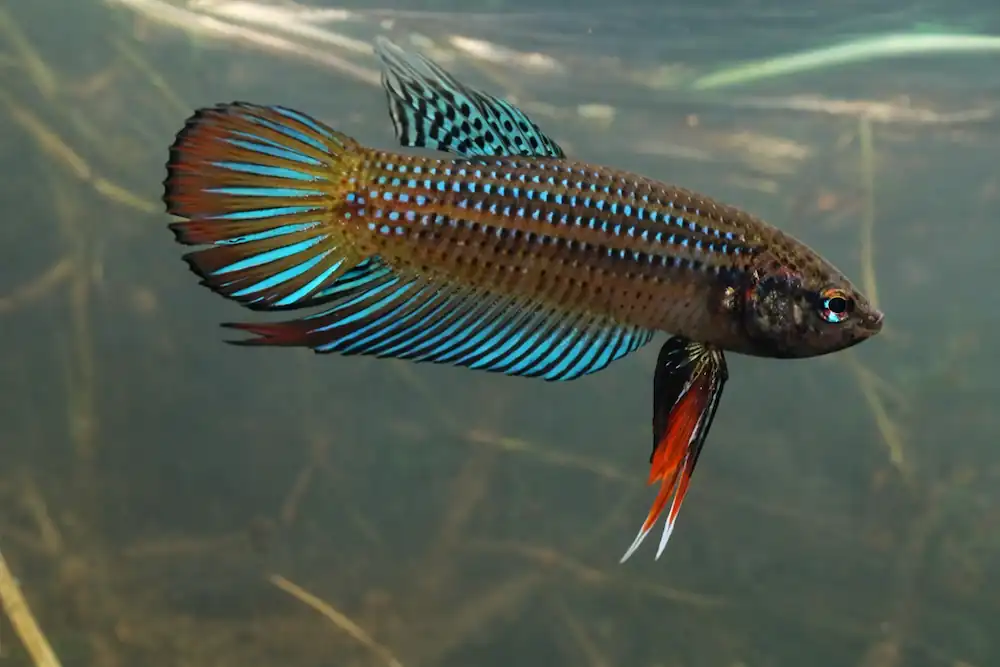
One thing to remember is that some short-finned male bettas, called plakat bettas, can look similar to females. In those cases, you need to look at other traits as well.
Body Size and Shape
Male bettas often look a bit larger and more muscular. Their bodies are usually longer and slimmer.
Female bettas are generally smaller. Their bodies can look slightly thicker or rounder, especially when they are carrying eggs.
Ventral Fins (Pelvic Fins)
The ventral fins are the two fins that hang under the fish’s body near the front.
Male bettas usually have longer ventral fins that come to a sharp point. These fins often stand out clearly.
Female bettas have shorter ventral fins, and they usually look rounder.
Egg Spot (Ovipositor)
One of the easiest ways to identify a female betta is by looking for the egg spot. This is a tiny white dot on the underside of the fish, located between the ventral fins. It looks like a small grain of salt.
This spot is part of the reproductive system and becomes easier to see when the female is ready to breed.
Male bettas do not have this spot. However, it can sometimes be hard to see on very young bettas or fish with darker colors.
Gill Flaring
Bettas can flare their gills when they feel threatened or want to show dominance.
Male bettas usually flare their gills more often and more dramatically. When they do this, you can see a large “beard” under their gills.
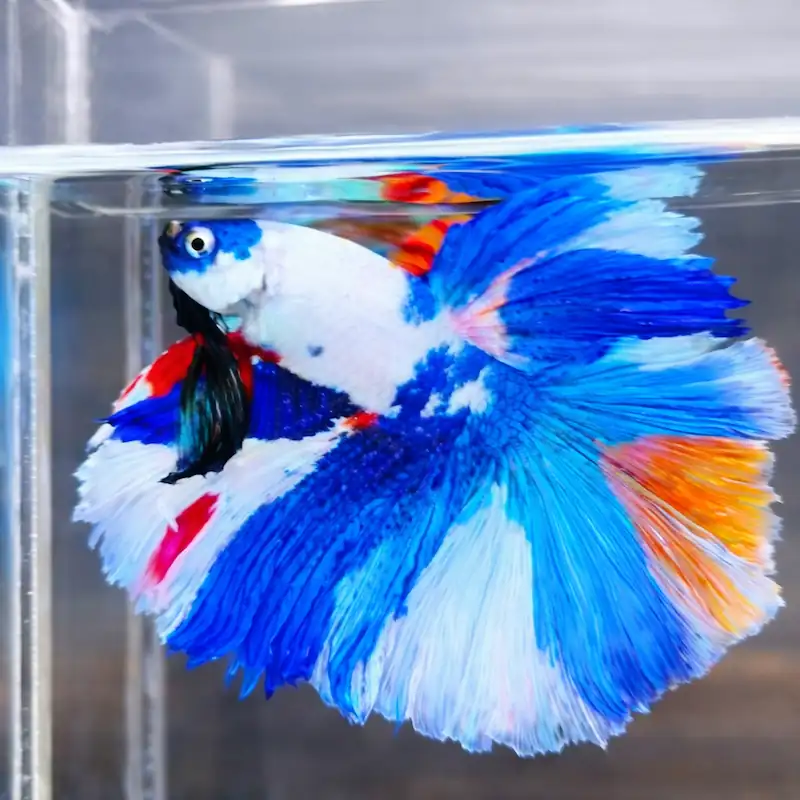
Female bettas can flare too, but it usually happens less often and looks less intense. Their beard is also smaller. Watching this behavior over time can sometimes help confirm whether a betta is male or female.
Color and Patterns
Male bettas often have brighter and more vibrant colors. They may show strong shades of red, blue, purple, or other striking colors.
Female bettas can still be colorful, but their colors are sometimes a bit softer. That said, color alone is not a reliable way to tell the difference.
Things like diet, water quality, and stress can also affect how bright a betta’s colors look.
Snout and Head Shape
Some people notice small differences in the head shape. Male bettas can have a slightly wider or more blunt snout.
Female bettas sometimes have a more pointed snout, but this difference is very subtle and not always reliable. Because of this, it’s better to look at several traits together rather than relying on just one feature.
Behavioral Differences Male vs Female Betta Fish
Male and female bettas don’t just look different; they also behave differently. Their temperament, activity level, and social habits can tell you a lot about their gender and how they should be kept.
| Behavior | Male Betta | Female Betta |
| Aggression Level | Highly territorial | Moderately territorial |
| Flaring Display | Frequent, dramatic | Less frequent |
| Bubble Nesting | Builds bubble nests | Rarely builds |
| Activity Level | Very active | Moderately active |
| Curiosity | Explores territory | Hides more |
| Social Behavior | Solitary fish | Can form sororities |
| Group Hierarchy | Not applicable | Forms pecking order |
| Response to Stimuli | Strong reactions | Milder reactions |
Aggression Levels
Male bettas are famous for being very aggressive and territorial. They usually cannot live with other male bettas because they will fight, sometimes very seriously. Even other fish can trigger their aggression if they look similar or enter their space.
You’ll often see a male betta flare his gills and fins. This is a display meant to scare off rivals and show dominance.
Female bettas are usually less aggressive than males, but they are not completely peaceful. When females are kept together in a group (called a sorority), they form a pecking order. Some females become dominant while others stay lower in the hierarchy.
In these groups, you might see chasing, fin nipping, or small fights as they establish their positions.
Bubble Nest Building
One clear behavior that helps identify a male betta is bubble nest building. Male bettas often build clusters of bubbles at the surface of the water. They use saliva to stick the bubbles together, creating a nest where eggs would normally be placed during breeding.
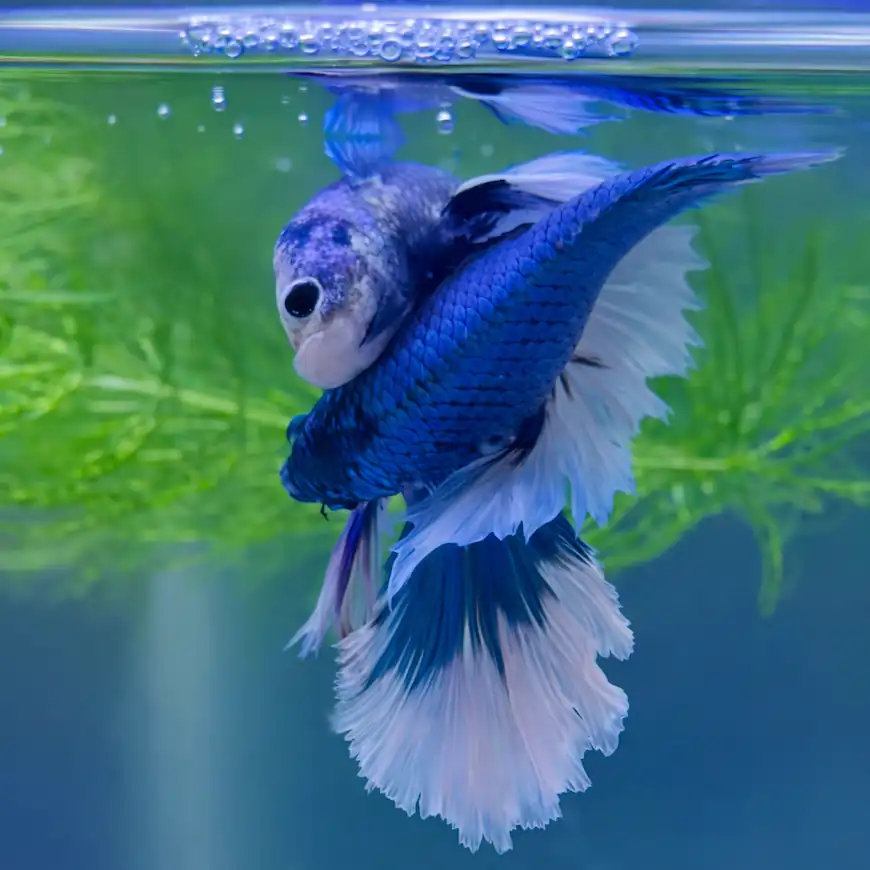
Even if there is no female in the tank, a healthy male may still build bubble nests. Female bettas usually do not build bubble nests.
Activity and Curiosity
Male bettas are often very active. They like to swim around their tank, patrol their territory, and explore decorations or aquarium plants. Many males also react quickly to movement outside the tank.
Female bettas can also be curious and active, but their behavior may look slightly different, especially in group tanks. In a sorority, they may spend more time interacting with other females or hiding among plants and tank decorations.
Social Interaction
Male bettas are solitary fish. They should not be kept with other male bettas because fights are almost guaranteed. Some males may tolerate peaceful tank mates, but it depends on the individual fish.
Female bettas sometimes live together in groups called sororities. These setups usually require at least five females, plenty of space, and lots of hiding spots. Even then, sorority tanks can be risky because females still have territorial behavior.
Response to Stimuli
Male bettas usually react strongly to things around them. If they see their reflection, another fish, or quick movement near the tank, they may flare their fins and gills as a display.
Female bettas can also react to these things, but their response is often less intense and doesn’t last as long.
Care Considerations for Male and Female Betta Fish
Male and female bettas share most of the same care requirements, but a few small differences can affect their comfort and health. Providing the right tank setup, clean water, proper diet, and enrichment helps both genders stay active, stress-free, and healthy.
- Tank Size: Minimum 5 gallons for a single male or female; female sorority needs 20+ gallons for 5 females, plus extra space for additional fish.
- Hiding Spots & Decor: Both need plants, caves, and decorations; extra hiding places are essential in sorority tanks to reduce aggression.
- Water Flow: Bettas prefer gentle, low-flow water; strong currents can stress them, especially long-finned males.
- Diet: Feed high-quality betta pellets, bloodworms, and brine shrimp for good health and bright colors; breeding females may need slightly more protein.
- Water Temperature: Keep water warm and stable (76–82°F / 24–28°C) with regular water testing and changes.
- Enrichment: Floating plants, decorations, and betta hammocks provide resting spots and mental stimulation.
- Health Notes: Males may be more prone to fin damage or fin rot due to long fins; watch for stress signs like clamped fins, dull color, or low activity.
Choosing the Right Betta for You
Choosing between a male or female betta mostly depends on your tank setup, experience, and whether you plan to keep one fish or multiple.
- Male Betta: Best for solo tanks. Males are very territorial and usually should not live with other bettas. Good choice for beginners who want a single showcase fish.
- Female Betta (Solo): Similar care to males and also a good option for single-fish tanks.
- Female Betta (Community Tank): Some females can live in peaceful community aquariums, but compatibility depends on the individual fish and tank setup.
- Female Sorority: Keeping multiple females together requires a large tank (20+ gallons), many hiding spots, and at least 5 females introduced together. This setup needs experience and regular monitoring because aggression can still happen.
- Space and Maintenance: Choose based on the tank size you can provide and the time you have for observation, maintenance, and water care.