Betta Fish Eggs
Betta fish eggs are a tiny but amazing part of a betta’s life cycle. If you’ve ever watched a pair of bettas breed or spotted small white eggs under a bubble nest, you know how exciting it can be. This stage is delicate, important and often confusing for beginners, which is why understanding betta fish eggs is so essential if you’re interested in breeding.
Betta eggs are the very first step in the journey from mating to tiny, free-swimming fry. After a successful spawn, the female releases the eggs, and the male carefully collects them and places them into his bubble nest. Seeing this happen feels like witnessing a small miracle, but it also comes with responsibility. The eggs need stable water conditions, patience, and close observation to survive and hatch successfully.
What Do Betta Eggs Look Like?
Betta eggs are very small and neat-looking. They’re not fuzzy, slimy or messy.
- Shape: Tiny and perfectly round like little dots
- Size: About 1 mm, smaller than a grain of rice
- Color: Usually pearly white or slightly see-through at first
- Texture: Smooth and firm (not fluffy or stringy)
As the eggs develop, they may darken slightly, and you might even see a tiny dark spot forming inside; that’s a good sign they’re fertile.
Where Are Betta Eggs Usually Found?
To know exactly that your betta has laid the eggs, location matters just as much as appearance.
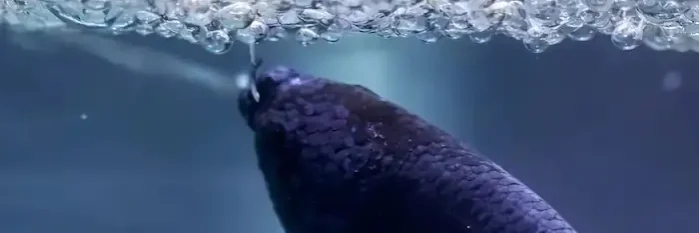
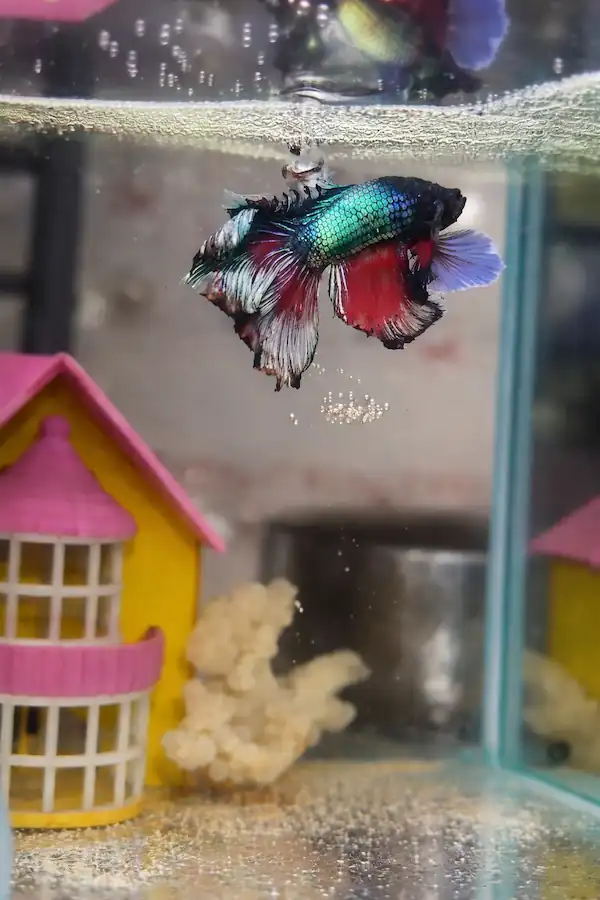
- In the bubble nest: This is the most common place. The male builds the nest at the water’s surface and carefully places the eggs inside.
- On plants or decorations: Less common, but it can happen if the nest gets disturbed or the female drops eggs early.
- On the tank bottom: Usually a sign that the male missed or rejected the eggs. These are often infertile and won’t develop.
If the male is actively picking up eggs and putting them back into the nest, that’s a great sign.
When in doubt, don’t rush to clean or remove anything right away. Watch closely for a day or two. Betta eggs will stay round, neat, and usually guarded by the male. Careful observation is your best tool, especially when you’re just starting out.
Creating the Perfect Nursery for Betta Eggs
Once betta eggs are laid, the tank setup and water conditions play a huge role in whether they hatch successfully. Think of this stage as setting up a safe nursery: simple, calm, and stable is best.
A small tank of 5-10 gallons works well because it’s easier to control. Most breeders use a bare-bottom tank, which makes cleaning simple and helps you see the eggs and fry clearly. For filtration, a gentle sponge filter is ideal since strong filters can suck up eggs or tiny fry. Keep decorations minimal. Floating plants are enough to provide cover and help the male feel secure.
Water quality is extremely important for egg development. The temperature should stay between 78–82°F (25.5–27.8°C), with a slightly acidic to neutral pH of about 6.5–7.0. The water should be clean and stable, with zero ammonia and nitrites and very low nitrates. Sudden changes in aquarium temperature or water chemistry can easily damage or kill the eggs, so consistency matters more than perfection.
The environment should stay calm and low-stress. Use soft, dim lighting instead of bright lights. Many breeders add Indian Almond Leaves, which release tannins that help prevent fungus and create a more natural, safer environment for the eggs.
A reliable heater, a basic water-testing kit, and a sponge filter go a long way toward keeping betta eggs healthy and improving hatch rates.
Caring for and Watching Betta Eggs
Once the eggs are in the bubble nest, your main job is to observe, not disturb. A quick daily check is usually enough, and most of the work is handled by the male betta himself.
Each day, take a close look at the eggs. Healthy eggs stay pearly white or slightly see-through and may darken a bit as they develop. Watch the male; he should be busy fixing the bubble nest, guarding it, and picking up any eggs that fall. Also, keep an eye out for fuzzy or cotton-like growth, which can be a sign of fungus.
To prevent fungus, clean and stable water is key. Adding Indian Almond Leaves or other tannin sources helps naturally protect the eggs. If you spot a clearly bad egg with fungus growing, it’s best to remove it gently so it doesn’t spread. A pipette or turkey baster works well for this; just be careful and remove only what’s necessary.
When it comes to water changes, less is more. Avoid strong water movement near the bubble nest, as currents can break it apart. If a water change is absolutely needed, do very slow changes using a pipette so the nest and eggs stay undisturbed.
The goal during this stage is simple: keep things calm, clean, and stable while letting the male do his job.
From Egg to Wiggler: What Happens After Betta Eggs Hatch
Once the eggs are laid, things move pretty fast. Knowing what to expect day by day helps you stay calm and avoid interfering too much.
Day 1–2: Fertilized Eggs Start Developing
Right after spawning, the eggs are fertilized and placed in the bubble nest. At this stage, they look tiny, round, and pearly white. Not much seems to happen on the outside, but important development is going on inside the egg.
Day 2–3: Hatching Begins
This is when the magic happens. The eggs start to hatch, and you’ll see tiny little fry called wigglers. They’re almost transparent and have a visible yolk sac attached to their bodies. Don’t worry, they can’t swim yet. They usually hang in or just below the bubble nest while the male keeps returning any that fall.
Day 3–5: Yolk Sac Absorbed and First Free Swimmers
Over the next couple of days, the wigglers slowly absorb their yolk sacs. As they grow stronger, their fins begin to form, and they’ll start making short swimming attempts. Once most of the fry are swimming on their own, they’re considered free swimmers.
Keep the tank lighting dim during these early days. Betta fry are very sensitive to bright light, and low lighting helps reduce stress and supports natural development.